Baby Cow Embroidery Design Review
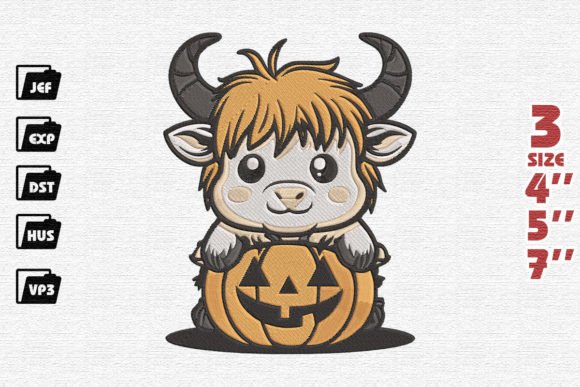
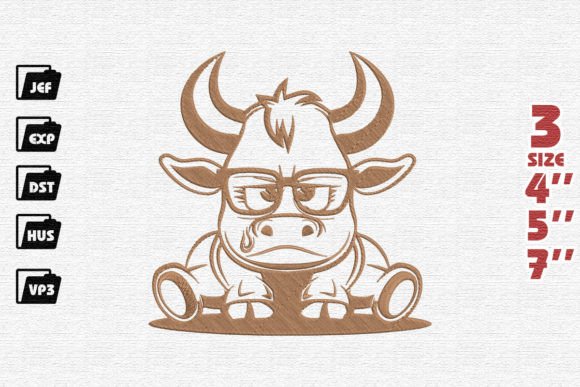
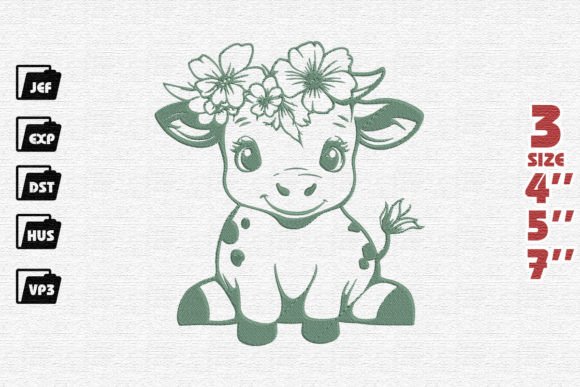
As an experienced embroidery designer who has spent years turning digital files into tangible, heartwarming keepsakes, I approach every new design with a mix of excitement and skepticism. The market for personalized gift products is saturated, so the difference between a bestseller and a dusty file often comes down to execution, charm, and practicality. Today, I am putting the Baby Cow Embroidery design through its paces. This piece describes itself as an adorable and playful depiction of a young cow, perfect for adding a touch of cuteness to children’s clothing, nursery decor, or farm-themed items. But does it hold up when stitched onto real customer orders? Let’s dive into the details.
First Impressions: Charm and Emotional Appeal
The moment you load the embroidery file, the mood is set. This isn’t just a generic animal shape; it carries a distinct personality. In my testing, the design felt incredibly sweet without being overly saccharine. It strikes a balance between playful and classic, which is crucial for a baby embroidery product that needs to appeal to modern parents who might find traditional "cute" designs too dated.
The charm lies in the simplicity. The lines are clean, and the overall silhouette is recognizable even from a distance. For a small shop product seller, this is gold. It photographs beautifully on social media, evoking an immediate emotional connection. When I placed a mockup of this design on a soft white muslin square, it didn’t look like a mass-produced sticker; it looked like a handmade treasure. That perceived value is exactly what drives clicks on Etsy listings and conversions in a boutique online store.
Versatility Across Product Categories
One of the biggest questions I ask before adopting a new machine embroidery design is: where can this go? The Baby Cow Embroidery design is remarkably versatile. While the description highlights nursery decor, its potential extends far beyond the crib.
- Textiles and Apparel: This design shines on blanket embroidery projects. Imagine a receiving blanket with the cow centered, perhaps accompanied by simple monogramming. It also works wonderfully on aprons for aspiring young chefs or tote bags for daycare providers.
- Home Decor: A pillow cover featuring this cow adds a whimsical touch to a gender-neutral nursery. It pairs exceptionally well with natural linen fabrics, enhancing the rustic, farm-to-table aesthetic that is currently trending in home goods.
- Kitchen and Dining: An embroidered towel is a staple gift item. The cow design brings a farmhouse vibe to kitchen linens, making it an ideal housewarming gift or a thoughtful addition to a wedding registry for couples who love rural living.
- Wedding and Family Keepsakes: Don’t overlook the adult market. This design can be used for bridal shower gifts for country brides or as a unique baby shower present for families who appreciate agricultural themes. It serves as a wedding gift alternative that feels personal and curated.
Strategic Considerations for Sellers
For Etsy sellers and digital product sellers, understanding your audience is key. The buyer for this specific design is likely looking for something that feels authentic and warm. They aren’t just buying a cow; they are buying a feeling of nostalgia, comfort, and pastoral peace.
When creating printable mockups for your listings, focus on lifestyle imagery. Show the cow on a textured throw blanket draped over a wooden chair, or embroidered on a canvas tote bag next to a basket of fresh flowers. These visual cues help the customer imagine the finished product in their own home, which significantly boosts buyer engagement.
Furthermore, this design supports high perceived value. Because it appears detailed yet clean, customers are willing to pay a premium for custom embroidery services. If you offer personalization—such as adding the baby’s name or birth date in a complementary font—you can increase the price point while maintaining strong profit margins.
Technical Execution and Fabric Compatibility
No matter how beautiful a design looks on screen, it must perform well under the needle. Here are some practical notes based on my testing process:
- Stitch Density and Detail: Always review the stitch density before production. While this design is playful, ensure that any small details (like eyes or hooves) are not too fine for the fabric you are using. If the stitches are too close together on thin cotton, the fabric may pucker.
- Stabilizer Selection: Use a proper stabilizer appropriate for your fabric weight. For stretchy baby clothes, a cut-away stabilizer is essential to maintain integrity after washing. For stable fabrics like towels or canvas, a tear-away may suffice depending on the design’s complexity.
- Thread Color Contrast: Check thread color contrast meticulously. On dark fabric, light threads may get lost, reducing the impact of the design. Conversely, very dark threads on light fabric can sometimes appear harsh if the line weight is too thick. Test various thread colors to find the most flattering palette.
- Hoop Size Constraints: Confirm the hoop size required by the file. If you are working on smaller items like handkerchiefs or hat brims, ensure the design fits within your machine’s maximum hoop dimensions without requiring re-hooping, which can misalign the pattern.
Where to Exercise Caution
While the Baby Cow Embroidery design is robust, there are scenarios where it requires careful handling:
- Delicate Details on Textured Fabrics: Avoid placing this design on highly textured fabrics like chunky knits or heavy wools. The texture can obscure the finer points of the cow, making the design look muddy or undefined.
- Thick Towels: If embroidering on thick terry cloth, ensure your machine has enough power to penetrate the pile. You may need to use a water-soluble top stabilizer to prevent the needle from deflecting.
- Frequent Washing: Products that will undergo frequent washing, such as baby blankets or burp cloths, require durable stitching. Ensure the design uses satin stitches or dense fill stitches that won’t unravel easily. Always wash-test your samples.
- Curved Surfaces: Embroidering on curved surfaces like the front of a baseball cap or a rounded pacifier clip can distort the design. Practice on scrap material first to understand how the fabric stretches during the process.
Final Verdict for Crafters and Small Business Owners
The Baby Cow Embroidery design is a strong candidate for inclusion in any commercial embroidery library focused on the Baby Animals niche. It offers a blend of aesthetic appeal and commercial viability that is hard to beat. It feels handmade, genuine, and deeply affectionate—qualities that resonate with today’s gift buyers.
Before integrating this into your main product line, I strongly advise you to test it on scrap fabric. Compare light and dark fabric mockups to see how the design translates across different mediums. Verify the stitch density and check for any tiny details that might get lost in translation. Most importantly, confirm the commercial licensing terms of the digital embroidery file to ensure you are legally protected when selling finished products.
If you are looking to add a touch of rustic charm to your handmade product offerings, this design delivers. It invites creativity, encourages personalization, and ultimately, creates a lasting memory for the recipient. Whether you are crafting a one-of-a-kind custom order or scaling up production for a craft fair, the Baby Cow Embroidery design is a reliable, charming choice that promises to delight both the maker and the receiver.