Cute Jellyfish Embroidery Review
As an embroidery designer who spends weekends hunched over my machine and setting up tables at local craft fairs, I know that not every design is created equal. Some designs look beautiful on a screen but fall flat in person. Others are too complex for quick production or simply don’t catch the eye of a passerby walking by a booth. Today, I am reviewing Cute Jellyfish Embroidery, specifically the festive Santa hat variation, to see if it has what it takes to become a bestseller for handmade market products.
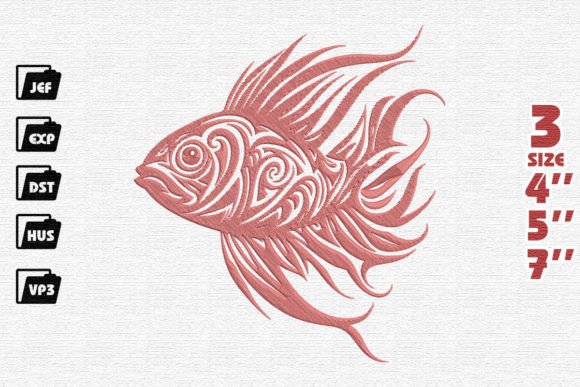
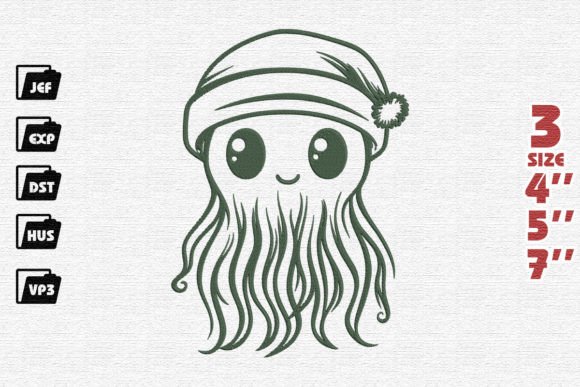
The product description highlights an adorable, smiling jellyfish wearing a festive red Santa hat with playful tentacles. This combination of whimsical marine life and holiday cheer is a specific niche. It is not just a generic Christmas design; it has character. For craft fair sellers and Etsy sellers looking to diversify their inventory beyond standard snowmen and reindeer, this Fish-themed Embroidery offers a unique selling proposition that can stand out in a crowded marketplace.
First Impressions and Visual Appeal
When you first encounter the Cute Jellyfish Embroidery design, the immediate feeling is one of approachable charm. It leans heavily into the "cute" aesthetic rather than the elegant or rustic farmhouse styles that often dominate holiday decor. The smiling face and cheerful expression are designed to evoke a smile from the customer before they even touch the product. This is crucial for booth display strength. In a busy market environment, you have seconds to grab attention. A bright red Santa hat against the likely pastel or neutral tones of a jellyfish creates a high-contrast focal point that draws the eye.
This design feels modern and playful. It avoids the cluttered complexity of traditional holiday scenes, making it versatile. It works well as a decorative accent on smaller items or as a main feature on larger goods. The visual appeal suggests it will perform exceptionally well as a giftable handmade item, particularly for younger demographics or those who prefer quirky, lighthearted decor over solemn traditionalism.
Product Applications and Market Fit
To determine the true value of this machine embroidery design, we must look at where it shines on actual products. Here is how Cute Jellyfish Embroidery translates across various craft fair product categories:
- Tote Bag Design: A tote bag is the quintessential Etsy seller staple. Placing the jellyfish centrally on a canvas tote allows the design to breathe. The playful tentacles can be oriented to flow naturally down the bag. This makes for an excellent everyday carry item that also serves as a subtle holiday statement.
- Apron Embroidery: Kitchen aprons are high-margin items during the holiday season. The festive nature of the Santa hat aligns perfectly with cooking and baking themes. The jellyfish adds a touch of humor to the kitchen, making it a memorable gift for foodies.
- Tea Towel Embroidery: Cotton tea towels are a low-cost entry point for customers. This design works beautifully here because the details do not need to be microscopic. The bold shapes of the hat and body render well on textured fabric, adding a premium feel to a simple household good.
- Embrdroidered Patch: Converting this into an embroidered patch opens up new markets. Patches can be sewn onto backpacks, denim jackets, or beanies. The circular or oval framing common in patches suits the compact nature of a jellyfish well.
- Caps and Beanies: Curved surfaces present challenges, but the central placement of a jellyfish works well on the front panel of a baseball cap. The roundness of the jellyfish body complements the curve of the cap brim.
- Pillow Covers and Small Pouches: For home decor, a small throw pillow featuring this design adds a pop of color to a living room sofa. Similarly, a fabric pouch filled with bath salts or cookies becomes a charming, cohesive gift set.
Photography and Online Listings
For digital sellers, the ability to create a printable mockup is vital. This design photographs well because its colors are distinct. The red of the hat stands out against light backgrounds, while the jellyfish’s lighter tones provide contrast against darker fabrics. When creating your design assets for online listings, ensure you show the design on both white and colored fabrics to demonstrate thread color versatility. A clear image of the finished product helps buyers visualize the scale and texture.
Production Practicality and Efficiency
From a production standpoint, efficiency is money. If a design takes twenty minutes to stitch, it may not be profitable for low-priced items like tea towels. While exact stitch counts vary by software and settings, the description of a "smiling jellyfish" suggests a moderate level of detail. It is likely not a dense, heavy-fill design that requires hours of hooping and stitching.
This design feels repeatable for batch production. You can easily hoop multiple items and run them through the machine without constant repositioning adjustments. The simplicity of the shape—mostly curves and basic geometric forms for the hat—means fewer thread changes and less chance of tangling compared to intricate landscape scenes. This makes it ideal for small shop product owners who need to maximize output during peak seasons.
Technical Considerations and Careful Use
Even a cute design can fail if technical aspects are ignored. As an experienced designer, I advise checking several factors before mass production:
- Stitch Density: Ensure the density is appropriate for the fabric. Too much density on a thin tea towel can cause puckering. Too little on a heavy canvas might look sparse. Inspect the stitch density in your digitizing software.
- Small Details: Check the eyes and mouth of the jellyfish. If these elements are too small, they may disappear when stitched on a curved surface like a cap or a crumpled tote bag. Simplify these details if necessary for smaller sizes.
- Thread Contrast: Test the design on scrap fabric that matches your final product. The red hat must contrast sufficiently with the jellyfish’s body. On dark fabrics, you may need to add a stabilizing underlay or adjust thread colors to maintain clarity.
- Hoop Size: Confirm the hoop size fits your intended product. A design that is too large for a standard 4x4 hoop will limit your product options. Verify that the design scales well if you plan to offer different sizes.
- Stabilizer Choice: Use the right stabilizer for each fabric type. Cut-away stabilizers are generally safer for stretchy fabrics like caps or knits, while tear-away may suffice for woven cottons like aprons and towels.
Brand Consistency and Buyer Engagement
Incorporating Cute Jellyfish Embroidery into your brand mix signals creativity and attention to trend. It shows customers that you are thinking outside the box. For boutique makers, this uniqueness can justify a higher price point. Buyers are often looking for something that feels personal and handcrafted. The whimsical nature of the design encourages engagement; customers are more likely to ask about the story behind the design or share photos on social media, providing free marketing for your booth or shop.
Furthermore, this design supports brand consistency if your shop focuses on fun, colorful, and family-friendly items. It pairs well with other non-traditional holiday motifs, allowing you to curate a cohesive collection that stands apart from competitors selling only traditional winter scenes.
Final Verdict
The Cute Jellyfish Embroidery design is a strong candidate for inclusion in your holiday collection. Its charm, versatility across multiple product types, and potential for high visual impact make it a valuable asset for craft fair sellers and online entrepreneurs. By paying attention to technical details like stitch density, thread contrast, and stabilizer selection, you can produce high-quality finished products that delight customers and drive sales.
Remember to check the specific file format and commercial licensing terms provided by the designer before producing items for sale. Ensure you test the embroidery file thoroughly on your target fabrics. With proper preparation, this playful jellyfish can become a standout piece in your lineup of commercial embroidery goods, bringing joy and profit to your handmade business.