Fall Patchwork Applique Embroidery Review
As an embroidery designer who spends more time than I care to admit staring at stitch density charts and testing stabilizers, I approach every new download with a mix of excitement and skepticism. When Fall Patchwork Applique Embroidery landed in my Creative Fabrica folder, I didn’t just see another seasonal design; I saw potential for a specific type of handmade product that is currently dominating craft fairs and Etsy shops. This isn’t just about throwing some thread on fabric. It’s about creating a tactile, visual experience that feels authentic. Here is my honest review of how this applique design performs when moved from the screen to the hoop.
The Visual Mood and First Impressions
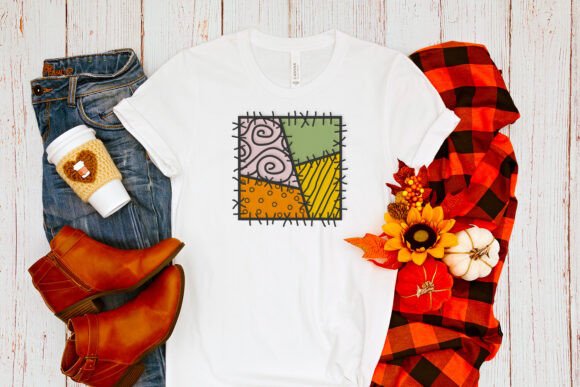
The first thing you notice about Fall Patchwork Applique Embroidery is its rustic charm. In a market saturated with perfect, sterile vector graphics, this design stands out because it mimics the imperfections of hand-sewn patchwork. The concept is simple yet effective: a square composed of four distinct fabric sections. What makes it interesting is the texture. Three of these fabrics feature a subtle, rustic embroidery pattern applied directly onto them, while the fourth can be left plain or customized depending on your vision.
This variation creates a layered look that is incredibly photogenic. For anyone selling custom apparel or home decor items, visual appeal is everything. The design naturally evokes feelings of warmth, nostalgia, and autumn comfort. It fits seamlessly into the Halloween and Fall aesthetic without being cliché. It doesn’t scream "spooky"; instead, it whispers "cozy cabin." This subtlety is what often drives higher engagement on social media platforms like Pinterest and Instagram, where users are looking for inspiration for their own homes or gifts.
Real-World Application: Where Does It Fit?
I evaluated Fall Patchwork Applique Embroidery not just as a standalone image, but as a component of larger commercial projects. The versatility of this machine embroidery design is its strongest asset. Here is how I see it performing in various real-world scenarios:
- Kitchen Towels and Aprons: The square format is perfect for the standard 10x18 inch kitchen towel. Placed centrally or in a corner grid, it adds a touch of farmhouse chic to any kitchen. Because it is an applique design, it holds up well to frequent washing, which is a major concern for customers buying functional home goods.
- Tote Bags: A canvas tote bag featuring this design immediately elevates the product from a generic accessory to a boutique item. The contrast between the sturdy canvas and the delicate stitching of the patchwork squares creates a nice textural balance.
- Baby Blankets and Nursery Decor: The soft, muted tones typical of fall palettes work wonderfully for nursery themes. However, designers must be cautious with thread colors here to ensure they remain gender-neutral and calming.
- Sweatshirt Embroidery: While many designs are too dense for sweatshirts, this particular layout allows for breathing room. If executed correctly on a high-quality fleece, it looks premium rather than cluttered.
- Embellished Patches: You can use this as a base for creating detachable patches for denim jackets or backpacks. The defined border of the patchwork square makes it easy to cut out and finish if needed.
Technical Considerations and Stitch Analysis
For those of us working commercially, the devil is in the details. When reviewing Fall Patchwork Applique Embroidery, several technical factors come into play that can make or break the final finished product.
First, consider the stitch density. The design relies on a combination of satin stitch for borders and fill stitch for the fabric textures. If the density is too high, the fabric may pucker, especially on lightweight materials like thin cotton tees or synthetic blends. I always recommend running a test stitch-out on scrap fabric that matches the weight and stretch of your intended project material. This is non-negotiable for maintaining brand consistency and customer trust.
The hoop size is another critical element. Ensure that the bounding box of the design fits comfortably within your machine’s largest hoop. If you plan to place this on a cap or a curved surface, you will need to evaluate whether the design can be digitized for curved hooping or if it requires a specialized attachment. For flat surfaces like kitchen towels or pillow covers, standard hooping should suffice, but always check the file details provided on the Creative Fabrica product page.
Thread color selection is paramount. Since three of the four fabric sections have embroidery patterns, the contrast between the thread and the base fabric must be sharp enough to be visible but harmonious enough to feel intentional. Dark fabrics might swallow lighter threads, while light fabrics might lose detail against white thread. I suggest comparing light and dark fabric mockups before committing to a production run.
Stabilizer and Fabric Choices
The choice of stabilizer cannot be overstated. For woven fabrics like linen or cotton, a tear-away stabilizer is usually sufficient. However, if you are working with knit fabrics or stretchy materials, a cut-away stabilizer is essential to prevent distortion over time. Given that this is an embroidery file meant to mimic patchwork, using a textured fabric base (like chambray or flannel) can enhance the rustic aesthetic even further. Just remember to adjust your tension settings accordingly, as thicker fabrics require different needle penetration forces.
Impact on Product Value and Branding
Using high-quality design assets like Fall Patchwork Applique Embroidery directly impacts how your customers perceive your brand. Handmade products are sold on the promise of uniqueness and care. When a customer sees a well-executed personalized gift with clean stitches and thoughtful design placement, they are more likely to leave positive reviews and return for future purchases.
This design also lends itself beautifully to printable mockups. Even if you haven’t stitched the physical item yet, having a realistic digital representation helps in marketing. The rustic, multi-textured look translates well to digital images, allowing you to showcase the product in lifestyle settings—perhaps on a wooden table next to a cup of coffee or draped over a chair. This kind of visual storytelling increases click-through rates and conversion for your online store.
Final Verdict and Practical Advice
Is Fall Patchwork Applique Embroidery worth adding to your library? Absolutely. It offers a sophisticated, timeless look that resonates with current trends in handmade commerce. However, success depends on execution. Do not assume the design will work perfectly on every material out of the box.
Before you start mass-producing commercial embroidery items, take these steps:
- Test on Scrap Fabric: Always stitch out a sample to check for puckering, thread breaks, or alignment issues.
- Check Licensing: Review the license terms on the Creative Fabrica product page to ensure you are compliant with selling finished goods.
- Inspect Small Details: Zoom in on the digital file to ensure the tiny details of the rustic patterns are legible and not lost in translation during digitization.
- Confirm File Details: Verify the recommended thread colors and any special instructions provided by the designer.
By treating this digital embroidery file with the respect it deserves, you can create beautiful, high-value products that stand out in a crowded marketplace. Whether you are an Etsy seller, a small business owner, or a hobbyist looking to elevate your craft, Fall Patchwork Applique Embroidery is a reliable tool for creating warm, inviting, and professionally finished items.