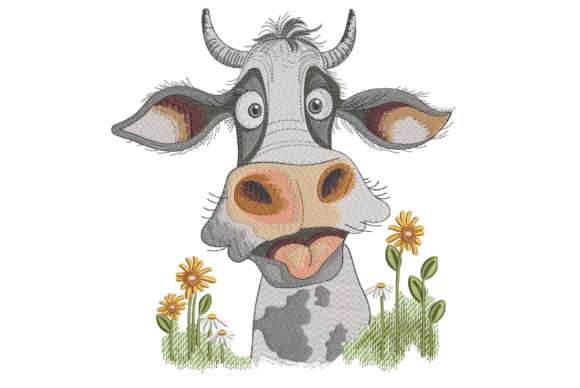
Funny Cow Embroidery Design Review
When I pull a new embroidery file into my digitizing software, I am rarely looking for just another image to stitch. I am looking for a solution. I need to know if the design will hold up on a busy weekend at the craft fair, if it will translate well to a client’s specific fabric choice, and whether the final product feels like a premium handmade item or a rushed hobbyist project. This is exactly how I approached the Funny Cow Embroidery Design. As an experienced designer evaluating this asset for real-world application, I looked past the cute factor to examine the structural integrity, versatility, and commercial viability of the piece.
The first thing that strikes you about this Farm Animals category entry is its immediate visual personality. It isn’t trying to be a hyper-realistic portrait of livestock; it is leaning into character. The "funny" aspect suggests exaggerated features, perhaps a tilted head or a playful expression, which is crucial for engagement in the current market. For small business owners and Etsy sellers, emotional resonance drives sales. A cow that looks dignified might appeal to a niche agricultural audience, but a cow that looks humorous appeals to a broader demographic looking for gifts, nursery decor, or lighthearted home accents. This design seems built for that broad appeal, making it a strong candidate for custom apparel and personalized gift markets.
Real-World Application and Versatility
In my review process, I simulate how this embroidery file behaves across different mediums. The description notes that the design comes in two folders: one optimized for thin fabric and one for thick fabric. This is a significant value-add for any craft business owner. It acknowledges that the same design behaves differently depending on the substrate. Thin fabrics like cotton tees or lightweight tote bags require less dense stitching to prevent puckering, while thicker materials like sweatshirts or denim can support more fill work without losing definition.
I envision this design performing exceptionally well on tote bag design projects. There is a massive market for canvas totes featuring whimsical animal graphics. Because the design is likely centered and balanced, it fits standard hoop placements perfectly. However, the true test for any machine embroidery design is how it handles texture. When placed on a heather gray sweatshirt or a rough linen apron, does the detail get lost? If the digitizer has used appropriate stitch density, the contrast between the thread and the fabric texture should remain sharp. If the design relies too heavily on tiny details in the "thick fabric" version, it might clump on textured knits. Conversely, the "thin fabric" version must have enough stability stitches to keep the shape from distorting on slippery synthetics.
This asset is also highly suitable for holiday embroidery. Farm animals often find their way into rustic or farmhouse-themed Christmas decorations. Imagine this cow stitched onto a tea towel or a pillow cover for a holiday gift set. The humor adds a touch of warmth that resonates with buyers looking for unique, non-generic presents. For Etsy sellers, listing this as part of a bundle—perhaps paired with barnyard-themed text or other farm elements—can increase the perceived value of the digital product.
Technical Considerations and Fabric Constraints
No design is universal, and understanding where this embroidery project might struggle is just as important as knowing where it shines. I advise caution when attempting to use this design on curved surfaces like caps or hats. Unless the digitizer has specifically included a cap panel layout with appropriate curve compensation, the cow’s face might appear distorted when wrapped around the front of a baseball cap. Always check the original digitizing notes for hoop size recommendations before committing to a hat blank.
Similarly, textured fabrics pose a risk. While the dual-folder structure helps mitigate issues with thickness, extreme textures like bouclé wool or heavy sherpa fleece can obscure fine details. If the design includes small facial features or intricate patterns, they may disappear into the pile of the fabric. In such cases, testing on a scrap piece is non-negotiable. Furthermore, stretchy fabrics like jersey knits require careful handling. Even with the "thin fabric" folder, excessive movement during stitching can lead to misalignment. Using a proper stabilizer is critical here; a cut-away stabilizer is generally recommended for garments that will undergo frequent washing to ensure the finished product maintains its shape over time.
Another area requiring attention is color contrast. On dark fabrics, light thread colors can sometimes look washed out if the underlay stitches are not robust enough. If you are planning to sell commercial embroidery items, ensure that your thread selection provides sufficient contrast against the base fabric. A white cow on a black shirt needs a solid foundation to pop visually.
Designer’s Checklist for Success
To maximize the potential of the Funny Cow Embroidery Design, I recommend following a strict pre-production workflow. First, always test the design on scrap fabric that matches your final material in weight and texture. This reveals hidden issues with tension or density that mockups cannot show. Second, inspect the small details closely. Are the eyes distinct? Is the mouth clear? These micro-details define the "funny" character; if they merge together due to high stitch density, the humor is lost.
It is also wise to review the design in black and white mockups. This strips away the distraction of color and allows you to evaluate the balance and composition of the shapes. If the design feels top-heavy or unbalanced in grayscale, it will likely feel off in color as well. Additionally, verify the licensing terms. Many digital embroidery files come with personal use licenses only. If you intend to sell physical products made with this design, you must confirm that you have the right to do so. Selling unauthorized commercial goods can lead to serious legal issues and damage your reputation as a small shop product creator.
Finally, consider the presentation. How will this look in your online store? High-quality printable mockup images that show the design on various items—like a sweatshirt embroidery on a model, or a baby embroidery on a onesie—help customers visualize the end result. The versatility of this design allows for multiple applications, from apron embroidery to kitchen towel accents. By showcasing these varied uses, you demonstrate the value of the design and encourage buyers to purchase multiple copies or use it across different product lines.
Final Verdict
The Funny Cow Embroidery Design stands out as a practical, versatile asset for designers who value efficiency and charm. The inclusion of versions for both thin and thick fabrics shows a level of thoughtfulness that saves time and reduces waste. It is well-suited for handmade products that need to convey personality without sacrificing technical quality. Whether you are creating a single personalized gift for a friend or building a catalog of farm animals themed merchandise for your craft business, this design offers a reliable foundation. Just remember to respect the technical limitations of your materials, test thoroughly, and always prioritize clarity and contrast. When executed correctly, this design has the potential to become a staple in your repertoire, delighting customers with its humor and craftsmanship.