Ghost Boo Listening to Music Embroidery Review
As an embroidery designer who spends hours evaluating digital assets for both personal projects and commercial client work, I approach every new download with a mix of curiosity and skepticism. The market is flooded with generic clipart converted into stitch files, so finding a design that balances aesthetic charm with technical viability is rare. Recently, I came across the Ghost Boo Listening to Music Embroidery on Creative Fabrica, and it immediately caught my eye. It promises a playful blend of spooky Halloween themes and musical love, but does it hold up when transferred from screen to fabric? This review breaks down how this embroidery file performs in real-world applications, helping you decide if it deserves a spot in your design library.
First Impressions: Visual Mood and Design Personality
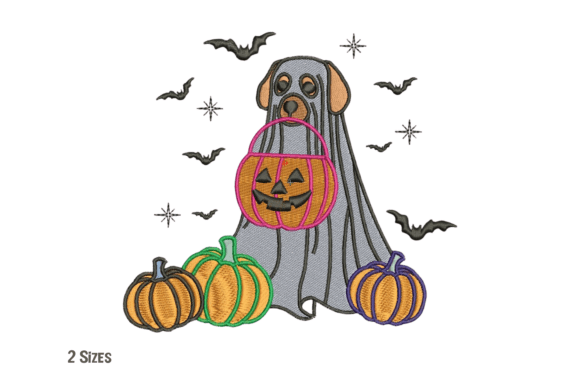
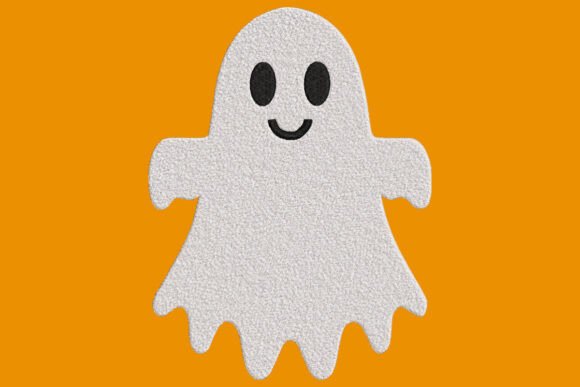
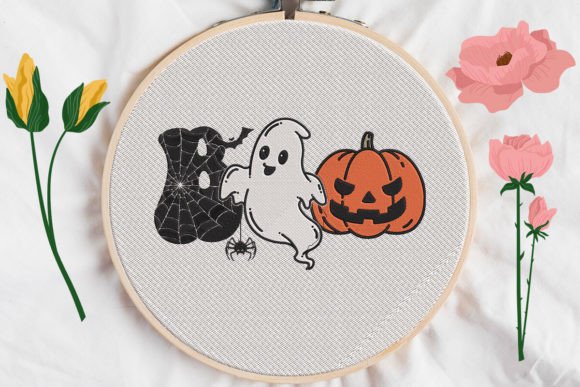
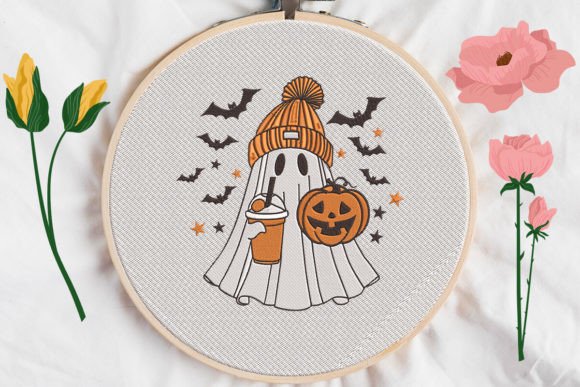
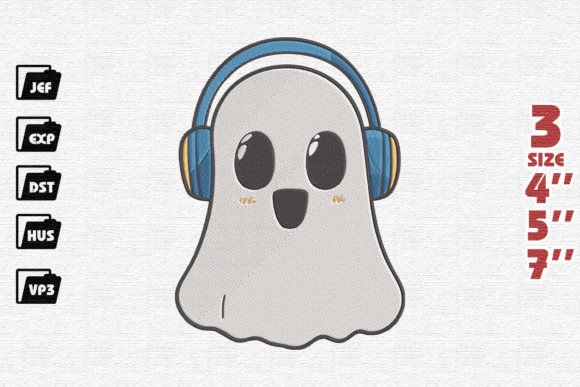
The moment you open the preview for the Ghost Boo Listening to Music Embroidery, the intent is clear. This isn’t just a standard jack-o'-lantern or a basic skeleton; it’s a character-driven piece. The visual mood is undeniably adorable yet festive, striking a balance that appeals to a wide demographic. For designers looking to create handmade product lines that feel approachable rather than terrifying, this machine embroidery design hits the sweet spot.
The artistic personality shines through in the details. The ghost figure appears relaxed, perhaps wearing headphones or surrounded by musical notes, which adds a layer of narrative to the piece. This kind of storytelling is crucial for modern custom apparel. When a customer buys a sweatshirt or a tote bag, they aren’t just buying a decoration; they are buying a vibe. This design offers a "fun" Halloween vibe that works equally well for adults who enjoy subtle seasonal decor and children who love cute characters. It feels less like a holiday-specific item and more like a quirky lifestyle graphic, which can extend its selling season beyond October if marketed correctly.
Technical Performance in Real Embroidery Work
Visuals are only half the battle. As a professional, I need to know how this digital embroidery file will behave under the needle. While specific stitch counts and file formats should always be verified on the Creative Fabrica product page, we can analyze the likely construction based on the design description.
Stitch Density and Texture
Designs featuring characters often rely on a combination of satin stitch for outlines and facial features, and fill stitch for larger areas like the ghost’s body or clothing. If the stitch density is too high, the fabric may pucker, especially on lightweight materials like cotton tees or jersey knits. Conversely, if it is too light, the design may lack definition. For this type of playful character, a balanced density is key to maintaining the "soft" look of the ghost while ensuring the music elements pop.
Hoop Size and Placement
One of the most critical factors for any embroidered patch or garment application is the hoop size. A design that is too large limits where it can be placed. On a tote bag design, you typically have plenty of space, allowing for a larger scale that makes the details visible. However, on a sweatshirt embroidery project, particularly on the chest area, you need a compact design. This Ghost Boo design seems versatile enough to fit in medium hoops, making it suitable for left-chest placements on hoodies or center placements on aprons.
Fabric Compatibility
This design would perform beautifully on stable fabrics. For kitchen towels and pillow covers, the crisp lines of the ghost and the musical notes will translate well. However, caution is advised when working with stretchy fabric or dark fabric. On stretchy materials like caps or activewear, a dense fill stitch can distort the knit unless a heavy-duty cut-away stabilizer is used. On dark fabrics, thread color contrast becomes paramount. You will likely need to choose bright, vibrant threads (like white, orange, or neon yellow) to ensure the ghost stands out against black or navy backgrounds.
Practical Application Scenarios
I envision this design fitting seamlessly into several popular product categories:
- Custom Apparel: Perfect for unisex hoodies or oversized t-shirts targeting teens and young adults who appreciate "spooky-cute" aesthetics.
- Baby Items: Because the ghost is non-threatening and adorable, this could work well on baby blankets or burp cloths, provided the design is scaled down appropriately.
- Home Decor: Small embroidered patches applied to denim jackets or pillow covers add a personalized touch that elevates the perceived value of the item.
- Commercial Embroidery: For boutique merchandise, this design offers a unique twist on traditional Halloween motifs, helping sellers stand out in crowded marketplaces.
Impact on Product Value and Brand Consistency
In the world of Etsy listings and craft fairs, presentation is everything. Using a high-quality design asset like this directly impacts buyer trust. A poorly digitized file with loose threads or misaligned stitches screams amateur hour. In contrast, a clean execution of the Ghost Boo Listening to Music Embroidery signals professionalism.
When you photograph your finished products for online sales, the visual appeal of the embroidery plays a huge role in conversion rates. This design’s theme allows for creative staging—perhaps pairing the embroidered tote bag with coffee beans or vinyl records to emphasize the "music" aspect. This kind of thematic consistency strengthens your brand identity as a creator who pays attention to detail and narrative.
Furthermore, the "giftability" of this item is high. Personalized gifts often require designs that are universally likable. A scary ghost might alienate some buyers, but a ghost listening to music is charming and humorous. This broadens your potential customer base, making it a safer investment for small business owners testing new seasonal collections.
Essential Pre-Production Checklist
Before committing this embroidery file to a final production run, I recommend following these practical steps to ensure quality control:
- Test on Scrap Fabric: Always run a test stitch-out on the exact fabric you plan to use. This reveals issues with tension, puckering, or thread breakage before you ruin a saleable item.
- Check Thread Color Contrast: Preview the design with different thread colors. Ensure the ghost’s white or light-colored elements are visible against your chosen fabric color.
- Review Stitch Density: Zoom in on the digitizing preview. Look for areas where running stitch or satin stitches might overlap excessively, which can cause bulkiness.
- Confirm Hoop Size: Verify the maximum dimensions of the design to ensure it fits comfortably within your machine’s hoop without requiring re-hooping.
- Inspect Small Details: Check if any text or tiny musical notes are too small to stitch clearly. Tiny details often get lost in the fabric texture.
- Verify Licensing: Most importantly, check the license terms on the Creative Fabrica product page. Ensure you have the right to sell physical items made with this design, especially if you are operating a commercial embroidery business.
Final Verdict
The Ghost Boo Listening to Music Embroidery is a strong contender for anyone looking to add a touch of whimsy to their Halloween collection. It avoids the clichés of traditional horror while still embracing the season’s spirit. Its versatility across various product types—from applique design possibilities on denim to simple fill-stitch applications on aprons—makes it a valuable addition to any designer’s toolkit. By taking the time to test the file and understand its technical requirements, you can transform this digital asset into a tangible, high-value finished product that resonates with customers. It is a smart, stylish choice for the discerning embroidery entrepreneur.