Gynecological Cancer Ribbon Embroidery Review
As an embroidery designer who has spent years turning digital files into tangible brand assets, I approach every new design with a critical eye. It is not enough for a file to simply "look good" on a screen; it must translate seamlessly into a finished product that holds up under the rigors of daily wear and commercial use. Today, I am reviewing the Gynecological Cancer Ribbon Embroidery design, a piece that aims to blend advocacy with aesthetic appeal for small business owners and merch creators.
This review focuses on how this specific embroidery file performs when applied to real-world business applications, from staff uniforms to boutique merchandise. Whether you are running a local café, a handmade shop, or a creative studio, understanding the practical nuances of this design is essential before committing to production.
First Impressions: Visual Personality and Professionalism
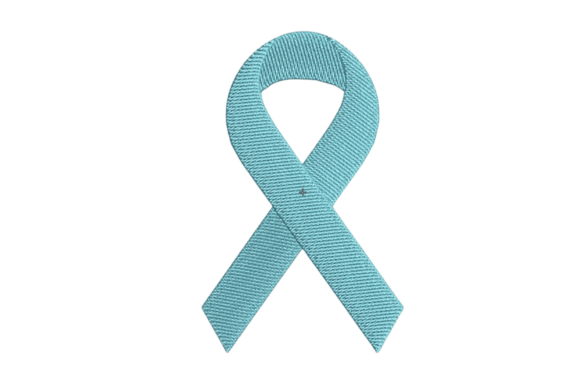
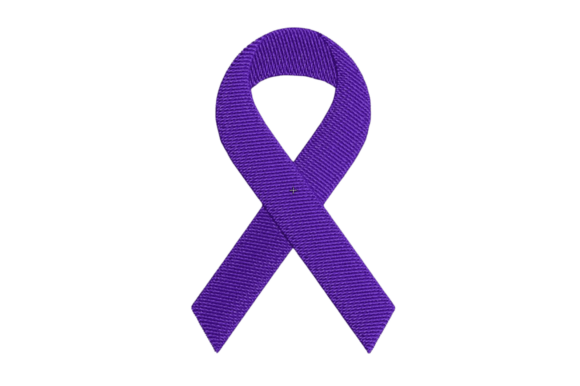
When first loading the Gynecological Cancer Ribbon Embroidery design into my digitizing software, the immediate takeaway is its clean, symbolic clarity. The teal ribbon is a universally recognized symbol for gynecological cancer awareness, and this design captures that essence without unnecessary clutter. In the context of brand identity, simplicity is often the strongest ally. A design that is too intricate can lose its meaning when scaled down, but this ribbon retains its impact at various sizes.
The visual personality of this design leans toward modern and elegant. It feels professional rather than playful, which makes it highly suitable for serious causes while still maintaining a warm, supportive tone. For businesses looking to show solidarity with their community, this design offers a way to communicate empathy and strength through thread colors. The choice of teal provides a distinct contrast against neutral backgrounds, ensuring that the message is visible and respected. However, designers should note that the effectiveness of this color palette depends heavily on the fabric base; on dark uniforms, the teal may require a dense underlay to prevent the underlying fabric from showing through, which could slightly alter the vibrancy of the final look.
Real-World Business Applications
The true test of any machine embroidery design is its versatility across different product types. Here is how the Gynecological Cancer Ribbon Embroidery performs in common small business scenarios:
- Embroidered Patches: This design translates exceptionally well as a standalone patch. When stitched onto iron-on or sew-on backing, it serves as a powerful badge of support. Small boutiques and nonprofits often use these patches on denim jackets, tote bags, or hats to create collectible items that drive engagement.
- Staff Uniforms and Aprons: For cafes, bakeries, or healthcare-adjacent retail stores, adding a subtle chest logo or sleeve accent can humanize the brand. Placing the Gynecological Cancer Ribbon Embroidery on the left chest of a work shirt or near the hem of an apron signals that the business cares about more than just transactions. It fosters a sense of shared values between employees and customers.
- Cap Embroidery: Curved surfaces like baseball caps present a unique challenge. This design’s streamlined shape works well on cap fronts, provided the curvature is accounted for during digitizing. It creates a memorable custom apparel item for team-building events or awareness campaigns.
- Tote Bag Design: Canvas totes are a staple for handmade brands and Etsy sellers. The Gynecological Cancer Ribbon Embroidery adds a premium touch compared to printed graphics. It elevates the perceived value of the bag, making it a desirable accessory for conscious consumers.
- Product Packaging Accents: Subtle branding extends beyond clothing. Stitching a small version of the ribbon onto hang tags or packaging inserts reinforces brand consistency and shows attention to detail. It turns a simple purchase into a meaningful experience.
Strategic Considerations and Limitations
While the Gynecological Cancer Ribbon Embroidery is versatile, there are specific areas where caution is required. Not every surface or size is ideal for every design element.
Small Patch Sizes: If you plan to produce very small patches (under 2 inches), you must ensure that the ribbon’s curves remain distinct. Tiny details can merge together if the stitch density is too high or the scale is too small. Always create a printable mockup at actual size to verify legibility.
High Stitch Density: Designs with dense fills can become stiff and bulky. On delicate fabrics like silk or thin cotton blends, excessive density can cause puckering. For apron embroidery or heavy-duty work shirts, this is less of a concern, but for lighter garments, a lighter fill pattern might be preferable.
Dark Uniforms and Fabric Texture: As mentioned, thread contrast is key. On textured fabrics like bouclé or heavy wool, the definition of the ribbon may soften. It is crucial to test the design on the exact fabric type you intend to use. Additionally, dark backgrounds may require a white or light-colored underlay to make the teal pop, which adds to the overall thickness of the embroidery.
Frequent Washing: For items that will undergo industrial laundering, such as restaurant uniforms, ensure that the design is anchored properly. Loose edges or insufficient tie-offs can lead to fraying over time, detracting from the professionalism of the brand.
Impact on Brand Identity and Customer Trust
Incorporating the Gynecological Cancer Ribbon Embroidery into your product line does more than just add decoration; it communicates your brand’s values. Customers today are increasingly drawn to businesses that demonstrate social responsibility. By featuring this design, you signal that your company supports health initiatives and community well-being.
This alignment can significantly boost customer trust and recognition. When a customer sees a familiar symbol of support on a product they love, it creates an emotional connection. It transforms a simple transaction into a partnership based on shared beliefs. Furthermore, using high-quality embroidery rather than cheap printing enhances the handmade product feel, suggesting that your brand invests in quality and longevity.
For Etsy branding and craft business assets, this design helps differentiate your offerings. In a crowded marketplace, a thoughtful design choice can be the deciding factor for a buyer. It shows that you have considered not just the aesthetics, but the message behind your products.
Practical Designer Notes for Production
Before moving forward with bulk production of any item featuring the Gynecological Cancer Ribbon Embroidery, I recommend following these practical steps:
- Test in Black and White: Convert the design to grayscale to check for contrast issues. This ensures that the shape remains clear regardless of the thread colors chosen.
- Check Spacing and Hoop Size: Verify that the design fits comfortably within your standard hoop sizes. Overly large designs may require multiple hooping, which can misalign the image.
- Inspect Thread Color Contrast: Ensure that the selected thread colors provide sufficient contrast against the fabric. Low contrast can make the design look muddy or indistinct.
- Use Proper Stabilizer: The choice of stabilizer (cut-away vs. tear-away) depends on the fabric. Using the wrong stabilizer can lead to distortion or poor stitch formation.
- Create a Mockup for Client Approval: If you are producing custom orders, always provide a digital proof or physical sample for approval. This manages expectations and reduces errors.
- Confirm Commercial Licensing: Before selling products made with this design, verify the licensing terms of the digital embroidery file. Some designs are for personal use only, while others allow commercial application. Respecting intellectual property rights is crucial for sustainable business practices.
In conclusion, the Gynecological Cancer Ribbon Embroidery is a strong candidate for small business merchandise. Its clean design, symbolic power, and versatility make it suitable for a wide range of applications, from embroidered patches to branded apparel. By paying attention to technical details like stitch density, fabric texture, and licensing, you can leverage this design to enhance your brand identity and connect deeply with your audience. Remember to always test thoroughly and prioritize quality to ensure that your embroidered goods reflect the professionalism and care your brand stands for.