Meow Turkey Embroidery File Review
As an embroidery designer who spends countless hours digitizing patterns and testing stitches on everything from denim to silk, I look at every new file with a critical eye. When it comes to seasonal merchandise, the margin for error is slim. A design must be visually appealing, technically sound, and commercially viable. Today, I am reviewing the Meow Turkey Embroidery File, a design that attempts to bridge the gap between holiday whimsy and professional branding potential.
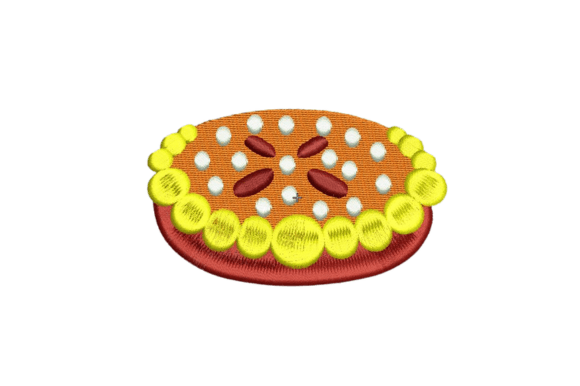
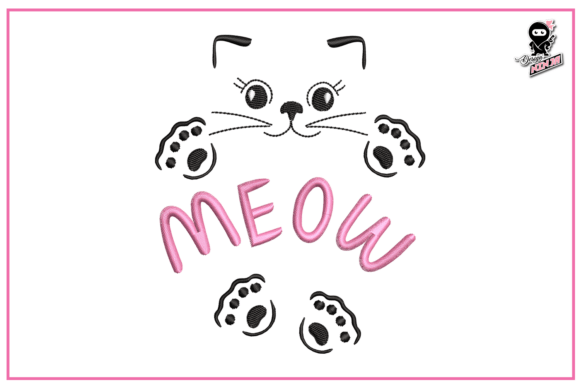
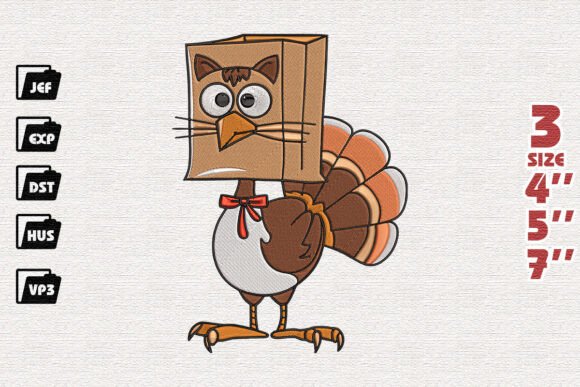
This piece humorously combines a cat and Thanksgiving turkey theme, featuring a playful feline with turkey-inspired elements. While the concept sounds lighthearted, the real question for small business owners and apparel decorators is whether this whimsical embroidery can stand up to the rigors of commercial production. Can it serve as more than just a cute novelty? Let’s dive into the details.
First Impressions: Visual Personality and Brand Fit
The immediate visual impact of the Meow Turkey Embroidery File is one of approachable fun. In the world of branded merchandise, especially for handmade brands and Etsy sellers, personality is currency. This design does not feel stiff or overly corporate; instead, it radiates a friendly, rustic charm that resonates well with boutique aesthetics. The fusion of a cat’s expressive features with traditional turkey motifs creates a unique visual hook that can stop a customer mid-scroll.
For a local café, bakery, or pet brand, this level of playfulness can significantly enhance brand identity. It signals that the business values creativity and warmth. However, designers must assess if this aligns with their current visual consistency. If your brand leans towards minimalist or high-end luxury, this whimsical design might clash. But for creative studios, florists, or craft businesses looking to add a touch of humor to their small business merch, the balance of elegance and silliness is quite effective.
Real-World Application: From Patches to Packaging
The true test of any embroidery file is its versatility in physical application. Here is how the Meow Turkey design performs across various common use cases:
- Embroidered Patches: This design shines when converted into a patch. Whether sewn onto denim jackets, tote bags, or work shirts, the bold outlines and distinct color blocks typical of such themes ensure the image remains legible. It serves as an excellent accent piece for staff uniforms in casual dining environments.
- Cap Embroidery: The curved nature of cap fronts requires designs with clear focal points. The central placement of the feline-turkey hybrid works well here, provided the hoop size allows for proper tension. It adds a memorable detail to promotional caps given away during holiday events.
- Apron Embroidery: For bakers and baristas, this design offers a perfect blend of professionalism and personality. Placed on the chest pocket of a black or navy apron, the contrast can make the design pop, enhancing customer trust by showing attention to detail in uniform presentation.
- Tote Bag Design: Canvas totes are a staple for handmade product sales. This machine embroidery design translates beautifully onto natural cotton canvas, creating a premium feel that justifies a higher price point compared to printed alternatives.
- Product Packaging Accents: Beyond apparel, consider using this as a label on gift boxes or bakery bags. A small embroidered tag adds a tactile element that customers associate with quality and care.
Strategic Placement for Maximum Impact
When integrating this into your commercial embroidery workflow, think beyond the obvious. Use it as a sleeve detail on hoodies, a back-print accent on t-shirts, or even as a decorative element on pet bandanas for the pet-friendly crowd. The key is to treat it as a versatile design asset rather than a single-use graphic.
Technical Considerations and Potential Pitfalls
While the artistic vision is strong, technical execution is where many projects fail. As a designer, I advise caution in several specific areas when working with the Meow Turkey Embroidery File.
First, be mindful of stitch density. Holiday-themed designs often pack in intricate details to capture fur textures and feather patterns. If the stitch count is too high, the fabric may pucker, especially on lightweight materials like polyester blends. Always check the density map before running large batches.
Secondly, consider the thread colors. Thanksgiving palettes often involve oranges, browns, and reds. On dark uniforms or dark fabric textures, these colors can sometimes appear muddy unless a high-quality underlay or specific thread sheen is used. Test your color choices against your actual inventory fabrics.
Another critical factor is the hoop size. Ensure the design fits comfortably within the standard hoops you use most frequently. If the design is large, you may need to break it down or adjust the scale, which can affect the final proportion. Also, inspect the spacing closely. Tight lettering or tiny details might become illegible when reduced in size for smaller applications like cuff logos.
Fabric and Stabilizer Choices
The choice of stabilizer is paramount. For items that require frequent washing, such as staff uniforms or kitchen aprons, a cut-away stabilizer is recommended to maintain the integrity of the embroidery over time. On delicate fabrics, a tear-away might suffice, but always perform a wash test to ensure the backing does not leave residue or cause shrinkage issues.
Elevating Brand Identity Through Quality Embroidery
Investing in high-quality digital embroidery files directly impacts buyer engagement. Customers perceive embroidered goods as more durable and valuable than screen-printed items. By using a unique and well-executed design like the Meow Turkey file, you differentiate your products in a crowded marketplace.
Furthermore, this design can foster a sense of community and shared joy. During the Thanksgiving season, businesses that offer themed merchandise create a festive atmosphere that encourages repeat visits and social media sharing. A well-made finished product becomes a talking point, enhancing your reputation as a brand that cares about both aesthetics and experience.
Practical Designer Notes for Production
Before committing to a full production run, follow these essential steps to ensure success:
- Test in Black and White: Convert the design to monochrome to check contrast and readability. If it loses definition without color, the underlying structure may be too complex.
- Check Small Patch Size: Scale the design down to 2 inches or less to see if fine details remain sharp. This is crucial for labels and small accents.
- Review Thread Color Contrast: Simulate different thread combinations to ensure they complement each other and the base fabric.
- Inspect Spacing and Density: Zoom in on the digitized file to identify any overlapping stitches or excessive gaps.
- Confirm Hoop Size: Verify that the design dimensions match your available hoop sizes to avoid unnecessary trimming or re-hooping.
- Test on Real Fabric: Never trust a digital mockup alone. Stitch the design on the actual fabric you intend to use to assess texture and drape.
- Use Proper Stabilizer: Match the stabilizer type to the fabric weight and intended use of the garment.
- Create a Printable Mockup: Generate a realistic preview for client approval or marketing materials before cutting fabric.
- Compare Beside Other Assets: Ensure the style matches your other design assets for a cohesive brand look.
- Confirm Commercial Licensing: Most importantly, verify that you have the right to sell products made with this file. Check the license terms explicitly.
In conclusion, the Meow Turkey Embroidery File offers a charming and versatile option for businesses looking to capitalize on the Thanksgiving season. With careful attention to technical details and strategic placement, it can elevate your custom apparel and handmade product lines, driving sales and strengthening your connection with customers.