Reviewing Floral Design for Table Top Embroidery
As an embroidery designer who spends countless hours evaluating digital assets before they hit the hoop, I approach every new file with a mix of skepticism and hope. The market is saturated with generic graphics, but finding a piece that balances aesthetic charm with technical viability is rare. Recently, I examined FLORAL DESIGN for TABLE TOP EMBROIDERY, a versatile asset categorized under Crafts and Graphics. While the title suggests tabletop decor, my focus was strictly on its potential within a premium sweatshirt collection for a small boutique brand. Below is my professional review of how this design translates from screen to stitch.
First Impressions: Mood and Visual Impact
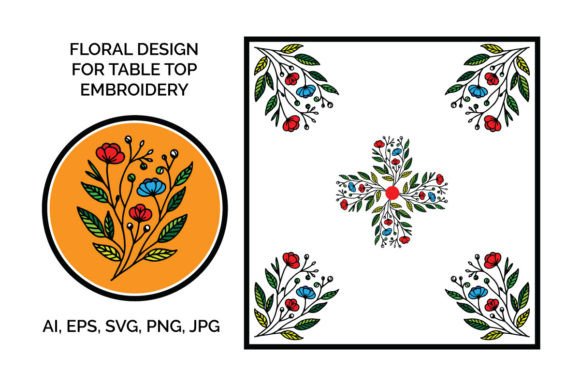
The immediate appeal of FLORAL DESIGN for TABLE TOP EMBROIDERY lies in its adaptability. The title implies a classic, perhaps slightly rustic or decorative floral motif, which is currently trending heavily in the handmade apparel space. When visualizing this as a machine embroidery design, the first thing I look for is "stitch personality." Does it feel flat, or does it have depth? Based on the multipurpose nature described, this design likely offers a balanced composition that works well without overwhelming the garment.
For a boutique brand, the mood must align with the target audience. This design feels inherently feminine and playful yet grounded enough for everyday wear. It avoids the overly delicate look that can appear fragile on heavy fabrics, suggesting a bold enough outline or fill structure to stand out. In terms of layout, it appears centered and contained, making it ideal for standard placements like the left chest or center front of a hoodie. It doesn’t scream for attention; rather, it invites a closer look, which is exactly what we want for high-quality custom apparel.
Application on Sweatshirts and Hoodies
Sweatshirt embroidery presents unique challenges due to fabric thickness and texture. Here is how FLORAL DESIGN for TABLE TOP EMBROIDERY performs across different scenarios:
- Neutral and Cream Fabrics: On oatmeal or cream-colored hoodies, the design will pop if paired with contrasting thread colors. A deep burgundy or forest green thread would create a sophisticated, earthy vibe perfect for autumn collections.
- Dark Charcoal or Navy: Dark fabrics require bright, high-contrast threads. White or metallic gold threads applied to this floral design would elevate it from casual to luxury streetwear. The density of the design needs to be sufficient to cover the dark base without showing through.
- Pastel Collections: For spring drops, pairing soft pink or lavender threads on white or baby blue sweatshirts enhances the cute, cozy aesthetic. This combination appeals strongly to the Etsy seller demographic looking for gift-oriented items.
- Oversized Fits: On oversized hoodies, a smaller chest placement works best. If the design is too large, it may distort on the loose fabric. However, if scaled correctly, it adds a focal point that breaks up the bulk of the garment.
I also considered back designs. A larger version of this floral motif placed centrally on the back could serve as a statement piece for limited-edition drops. It transforms a basic blank into a branded lifestyle product.
Technical Evaluation for Commercial Use
Before approving any design for production, I assess practical concerns. Since FLORAL DESIGN for TABLE TOP EMBROIDERY is marketed for multipurpose use—including mugs, wood, and plastic—it raises questions about its specific optimization for textile.
Stitch Density and Fabric Texture
The stitch density is critical. If the design is too sparse, it will look cheap on thick fleece. If it is too dense, it may pucker the sweatshirt material. Given its versatility, I suspect the stitch count is moderate, allowing it to sit nicely on various fabrics without excessive bulk. However, designers must always test on their specific fabric texture before mass production.
Stabilizer and Hoop Placement
Proper stabilization is non-negotiable for sweatshirts. A cut-away stabilizer is recommended to maintain shape after washing. The hoop size required for this design should be manageable, likely fitting within a 4x4 or 5x7 inch hoop, which allows for easy positioning on the chest or sleeve. Sleeve accents are a growing trend; placing a scaled-down version of this floral design on the cuff or upper arm adds a subtle detail that customers love.
Washing Durability
A finished product must withstand repeated laundering. Designs with long run stitches or unsupported edges tend to snag. If this floral design utilizes satin stitches for outlines and tight fills for petals, it will hold up well. Always advise your customers to wash inside-out on cold cycles to preserve the integrity of the embroidery.
Brand Identity and Market Appeal
Using a versatile asset like FLORAL DESIGN for TABLE TOP EMBROIDERY allows small business owners to maintain consistency across multiple product lines. Whether you are selling handmade products on Etsy or running a Shopify store, visual recognition is key. This design’s classic floral theme ensures broad appeal, avoiding niche trends that might fade quickly.
From a marketing perspective, this design lends itself beautifully to printable mockup previews. High-quality images of the embroidery on textured fabrics can significantly boost click-through rates. Customers trust brands that present their small shop product with professionalism. Seeing a crisp, well-defined floral embroidery on a cozy sweatshirt builds confidence in the quality of the item.
Value Addition
Embroidery adds perceived value compared to screen printing. It feels tactile and permanent. By incorporating FLORAL DESIGN for TABLE TOP EMBROIDERY into your catalog, you signal attention to detail. It elevates a simple cotton blend hoodie into a curated fashion item. This distinction is vital for competing in the crowded digital embroidery file market. Buyers are willing to pay more for items that look bespoke, even if the underlying design is a digital asset.
Final Verdict
FLORAL DESIGN for TABLE TOP EMBROIDERY proves to be a flexible and aesthetically pleasing choice for apparel decorators and boutique owners. Its multipurpose description hints at a robust vector-like quality that translates well into stitch paths. While the primary marketing may lean toward crafts, its application on sweatshirt embroidery is both viable and stylish.
For the best results, ensure you verify the specific embroidery file details—such as exact stitch counts, compatible formats (like .pes, .dst, .jef), and recommended stabilizer types—before finalizing your production run. Test on scrap fabric to confirm color contrast and density. If executed correctly, this design can become a staple in your commercial embroidery repertoire, driving sales through its timeless charm and professional finish.
In summary, this is a solid addition for any design assets library aiming to produce high-quality, wearable art. It bridges the gap between craft projects and fashion-forward apparel, offering endless possibilities for creative entrepreneurs.