Vintage Floral Embroidery Pattern Review
As an embroidery designer who spends her weekends hunched over a machine and her mornings setting up booth tables at local craft fairs, I have learned one hard truth: visual impact sells before quality ever gets a chance to speak. When I am scouting for new designs to turn into market-ready goods, I am not just looking for pretty pictures. I am looking for products that stop a passerby in their tracks, make them pick up an item, and convince them that this handmade piece is worth the premium price tag.
This week, I pulled up the Vintage Floral Embroidery Pattern to see if it had what it takes to be the centerpiece of my next weekend market display. With its promise of high-definition clarity and a classic aesthetic, it immediately caught my eye. But does it hold up when translated from a digital screen to a physical tote bag or apron? Let’s dive into the details from a production and sales perspective.
First Impressions and Visual Appeal
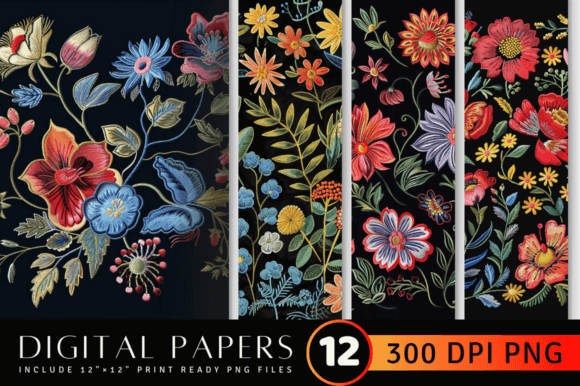
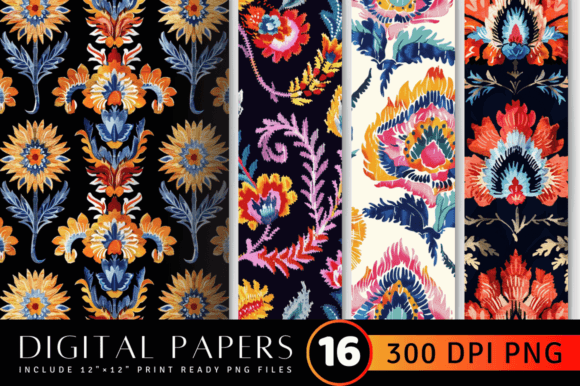
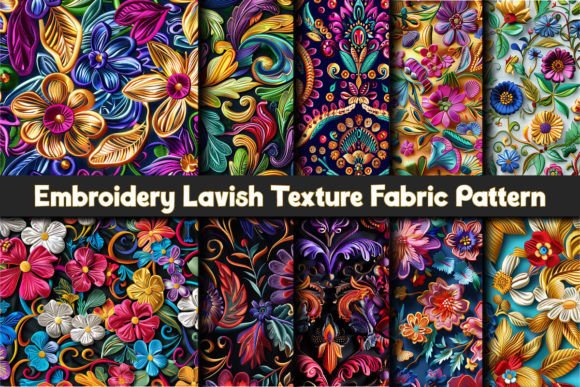
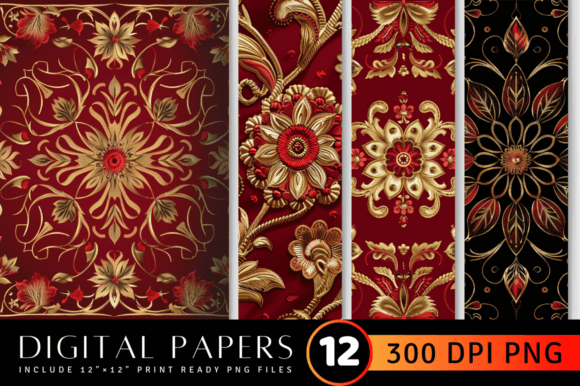
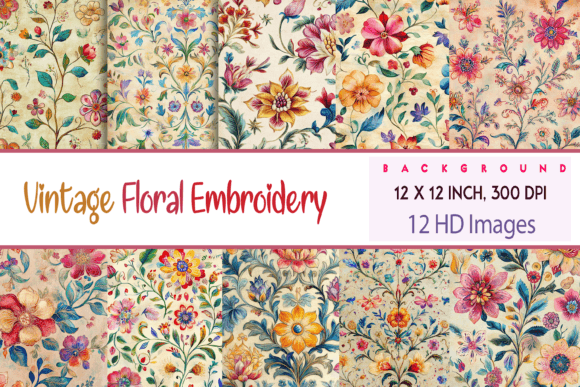
The moment I opened the preview images, the word "vintage" did heavy lifting. In the world of handmade markets, vintage aesthetics are currently dominating. They evoke nostalgia, warmth, and a sense of timeless elegance. The description highlights 12 high-definition images, which is crucial for me as a seller. Why? Because I need to see how the design behaves in different contexts before I commit to cutting fabric.
The 300 DPI resolution ensures that the lines are crisp. For a machine embroidery design, this level of detail is non-negotiable. If the edges are blurry in the source file, they will look muddy on the finished product. This pattern feels soft yet decorative, striking a balance between rustic charm and boutique polish. It doesn’t scream for attention with neon colors; instead, it whispers sophistication. This makes it incredibly versatile. It can fit seamlessly into a farmhouse-style kitchen display or stand out elegantly on a minimalist linen tote.
Product Potential: Where Does It Shine?
When evaluating a digital embroidery file, I always ask: "What can I make with this?" The Vintage Floral Embroidery Pattern is versatile enough to span multiple categories, but some applications will clearly outsell others.
- Tote Bags: This is the bread and butter of any craft fair. A large floral motif centered on a canvas tote is a classic bestseller. The 12” x 12” dimension provides ample space to let the flowers breathe, creating a bold focal point that looks expensive and well-crafted.
- Aprons and Tea Towels: Kitchen textiles are impulse buys. Customers love seeing these designs on functional items. On a white or cream tea towel, the contrast will likely pop beautifully. However, on a busy patterned apron, the design might get lost, so solid fabrics are key here.
- Embroidered Patches: Smaller iterations of this design work wonderfully as iron-on patches for denim jackets or backpacks. These are low-cost entry points for customers, encouraging them to add more to their cart.
- Pillow Covers and Small Pouches: These items feel luxurious. A small pouch featuring a clustered version of the floral pattern makes for a perfect gift item, often purchased alongside larger goods.
For an Etsy seller or small shop product owner, having a design that works across five different product types means you can test the market without needing ten different files. You can create a cohesive collection that reinforces your brand identity.
Production Practicality and Technical Considerations
Beauty is nothing without manufacturability. Before I put this design into production for a commercial embroidery run, there are several technical factors I must evaluate.
Stitch Density and Detail
The description mentions "impeccable quality," but as a designer, I know that high-resolution PNGs do not always translate perfectly to stitches. Vintage florals often involve delicate petals and thin stems. If the stitch density is too high, the fabric may pucker. If the details are too tiny, they may disappear entirely after hooping and stitching. I recommend testing the design on scrap fabric first to ensure that the fine lines remain distinct and do not bleed together.
Fabric Texture and Contrast
One of the biggest mistakes new sellers make is ignoring fabric texture. Embroidering onto a highly textured material like a thick waffle-weave tea towel can obscure the finer details of the floral pattern. Similarly, dark fabrics require a dense underlay or a stabilizer backing to prevent the thread from sinking into the weave. To maintain the "vintage" look, I would suggest using neutral thread colors—creams, dusty pinks, or sage greens—to enhance the soft aesthetic rather than fighting against the background.
Hoop Size and Spacing
With dimensions of 12” x 12”, this design requires a relatively large hoop. Not all home machines have hoops this size. If you are producing these items yourself, ensure your machine can accommodate this footprint. If you are outsourcing production, confirm that the manufacturer has the appropriate equipment. Proper spacing is also vital; the design needs room around the edges to look intentional, not cramped.
Marketing and Booth Display Strategy
How does this design help you sell? A strong craft fair product needs to photograph well. The clean lines and classic composition of the Vintage Floral Embroidery Pattern make it ideal for creating printable mockups. You can easily overlay this design onto photos of tote bags, aprons, and pillows to create stunning listings for your online store.
At a physical booth, visual hierarchy matters. Placing a large tote bag with this embroidery front and center draws the eye. The vintage vibe appeals to a broad demographic, from young millennials looking for trendy accessories to older customers who appreciate traditional craftsmanship. It signals "handmade quality" instantly. When customers see intricate, well-placed floral work, they perceive higher value, allowing you to justify a premium price point.
Final Verdict and Next Steps
The Vintage Floral Embroidery Pattern is a strong contender for anyone looking to expand their handmade product line. Its aesthetic is timeless, its dimensions are practical for popular items, and its high-definition nature suggests professional results. However, success depends on execution.
To ensure the best outcome, follow these steps:
- Test Rigorously: Always stitch a sample on the exact fabric you plan to sell. Check for puckering, color accuracy, and detail retention.
- Check Licensing: Confirm the commercial licensing terms before selling finished goods. Ensure you have the right to use the design assets for profit.
- Optimize Your Listings: Use the provided high-definition images to create compelling visuals. Highlight the "vintage" and "handmade" aspects in your descriptions.
- Invest in Quality Materials: Pair this elegant design with high-quality cottons, linens, and durable threads. The finish should match the beauty of the pattern.
In conclusion, this pattern offers excellent potential for both online and offline sales. It balances artistic appeal with commercial viability. If you execute the production carefully, keeping an eye on thread colors and stabilizer choices, the Vintage Floral Embroidery Pattern could easily become a top-seller in your shop.