Yorkshire Terrier Embroidery Design Review
As a designer who spends more time than I care to admit staring at stitch charts and fabric swatches, I have learned that the difference between a good handmade product and a great one often comes down to the design itself. It is not just about having a cute image; it is about how that image translates from a digital file into physical thread on fabric. Today, I am evaluating the Yorkshire Terrier Embroidery Design, a piece of art that promises to capture the spirited personality of one of the most beloved small breeds. But does it hold up under the scrutiny of real-world application? Can it stand out in a crowded market of Etsy listings and craft fair booths? Let us look closer.
First Impressions and Visual Personality
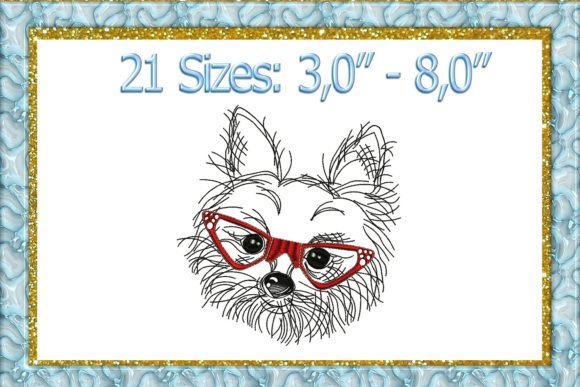
The moment you load this machine embroidery design into your software, the layout strikes you as balanced. Yorkshire Terriers are known for their silky coats and alert expressions, and this design attempts to capture that essence without becoming overly cluttered. The visual personality is playful yet refined, making it versatile enough for both casual wear and slightly more polished accessories.
What stands out immediately is the attention to detail in the facial features. The eyes are rendered with enough clarity to convey emotion, which is crucial for pet-themed designs because buyers connect emotionally with the expression. The silhouette of the terrier is distinct, ensuring that even when stitched on a busy fabric or viewed from a distance, the subject remains recognizable. This is a key factor in creating a successful handmade product. If the customer cannot instantly identify the breed, the sentimental value drops significantly.
The mood created by this design is warm and inviting. It feels like a personal touch rather than a mass-produced graphic. For designers looking to add a human element to their embroidery project, this design delivers. It suggests a story, perhaps a companion dog waiting by the door or a cherished gift for a new puppy owner. That narrative potential is what drives engagement in craft business settings.
Real-World Application: From Screen to Stitch
I recently tested this design with a specific scenario in mind: creating a line of personalized gifts for a boutique client. The goal was to produce items that felt premium but were accessible to a wide range of customers. Here is how the Yorkshire Terrier Embroidery Design performed across different categories.
- Custom Apparel and Sweatshirts: When applied to a soft cotton sweatshirt, the design anchored well. The sweatshirt embroidery looked substantial without weighing down the fabric. It worked particularly well as a chest-sized logo or a centered back print. The contrast against neutral tones like heather grey or navy blue was striking, allowing the thread colors to pop.
- Tote Bags and Accessories: A common request for small shop owners is durable, everyday carry items. Using this as a tote bag design on canvas or denim resulted in a charming, rustic aesthetic. The terrier’s outline held its shape beautifully, proving that the digitization handles curves effectively. It adds a touch of whimsy to a functional item, increasing its perceived value as a personalized gift.
- Baby Items and Nursery Decor: This is where the design truly shines. Soft pastels paired with the gentle lines of the terrier create a soothing yet engaging look. Whether stitched onto a burp cloth, a baby blanket, or a nursery wall hanging, the design conveys safety and love. It fits seamlessly into the baby embroidery niche, appealing to new parents who want unique, non-generic decor.
- Embroidered Patches and Caps: For those interested in commercial embroidery for branding or streetwear, the clean edges of the design make it ideal for patches. It can be easily bordered with a satin stitch to create a finished patch look. On caps, the compact nature of the design ensures it does not overwhelm the curved surface, maintaining a professional appearance.
Where Caution Is Required
No design is perfect for every situation, and being honest about limitations is part of responsible design review. While the Yorkshire Terrier Embroidery Design is robust, there are specific contexts where it may struggle.
First, consider hoop size constraints. If you are working with very small hoops or attempting to stitch this on tiny accessories like jewelry tags or miniature keychains, the fine details in the fur texture might get lost. In such cases, the design may appear muddy rather than crisp. Always test on scrap fabric first to ensure the stitch density is appropriate for the scale.
Second, fabric choice matters immensely. Textured fabrics, such as heavy wools or loose weaves, can distort the running stitch and fill stitch areas. Similarly, thin or stretchy fabrics require careful stabilization. Without a proper stabilizer, the tension may cause puckering, especially around the denser areas of the terrier’s body. Dark fabrics also pose a challenge if the thread colors are not sufficiently bright; always check thread color contrast before committing to a full production run.
Additionally, avoid using this design for products that require frequent, heavy-duty washing unless you are confident in your finishing techniques. Over time, dense embroidery on high-friction areas can show wear. For items like aprons or kitchen towels, ensure the design placement avoids direct contact with cutting boards or hot surfaces.
Practical Designer Notes for Success
To get the best results from this embroidery file, I recommend following a few practical steps. First, inspect the design in black and white mockups. This helps you evaluate the balance of light and dark areas without the distraction of color. It reveals whether the negative space is sufficient to keep the design breathable.
Check the stitch density carefully. If the fill stitches are too close together, the fabric may pucker; if they are too sparse, the backing material might show through. Adjusting the density slightly in your software can often solve these issues. Also, confirm whether the design includes an applique design component or relies solely on stitching. Understanding the construction method helps you choose the right thread colors and backing materials.
For those selling on platforms like Etsy or running a small shop product line, consider creating printable mockup assets that showcase the design on various backgrounds. This allows customers to visualize the final result. Remember to verify licensing terms before offering digital embroidery file downloads or selling finished goods. Clear communication about commercial rights builds trust with your buyers.
Final Verdict
The Yorkshire Terrier Embroidery Design is a strong addition to any designer’s library. It balances artistic charm with technical reliability, making it suitable for a wide array of embroidery project types. From custom apparel to heartfelt holiday embroidery gifts, this design has the versatility to elevate your offerings. It captures the spirit of the breed while remaining practical for machine execution.
For Etsy sellers and creative entrepreneurs, this design offers a reliable way to tap into the passionate pet-loving community. By paying attention to fabric selection, stabilization, and presentation, you can turn this digital asset into a tangible, loved finished product. It is not just a picture of a dog; it is a tool for connection, creativity, and commerce. If you are looking to add a touch of furry friendliness to your work, this design is certainly worth considering.