Cat Embroidery Design Review
As a designer who spends more time looking at stitch density and fabric grain than sleeping, I approach every new embroidery file with a mix of skepticism and hope. The market is flooded with generic clipart turned into digitized art, but finding a design that actually translates well from screen to thread is rare. Recently, I pulled the Cat Embroidery design off my desk to see if it had the legs to survive real-world production. This isn’t just about whether the cat looks cute (spoiler: it does); it’s about whether this machine embroidery design holds up when you are stitching hundreds of units for an Etsy shop or creating a one-off personalized gift for a client.
First Impressions and Visual Personality
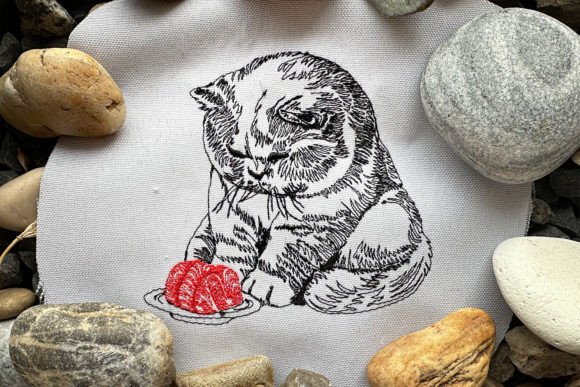
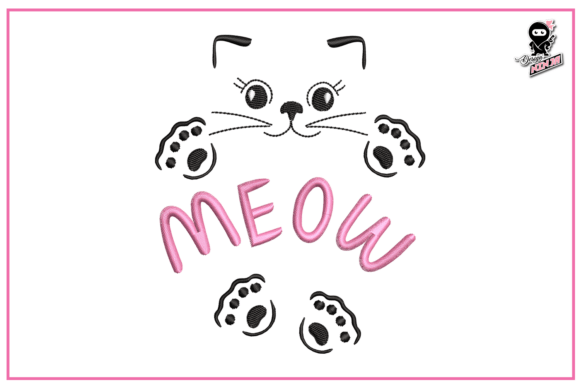
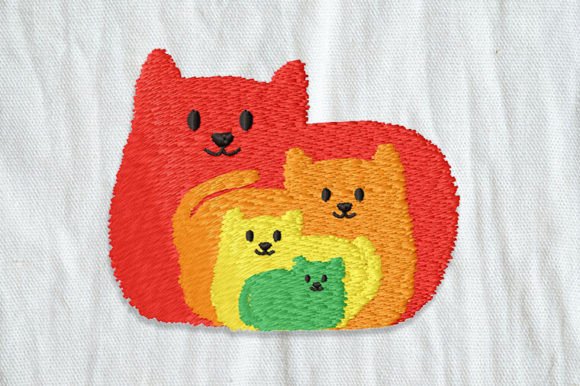
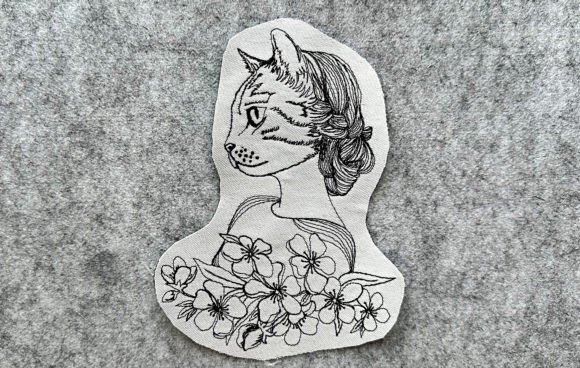
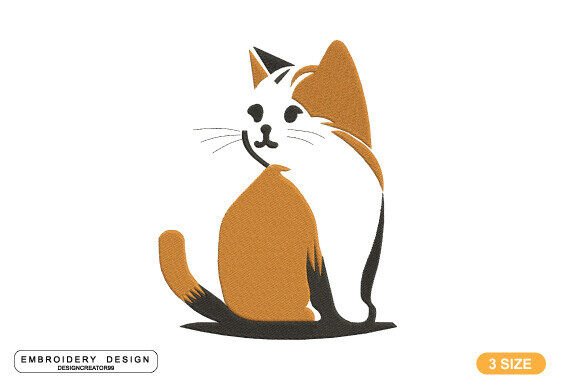
The immediate appeal of Cat Embroidery lies in its balance. It avoids the trap of being overly complex, which often leads to puckering on home machines, while still retaining enough character to feel premium. When I first opened the file to inspect the layout, I appreciated the clean negative space. In embroidery project planning, what you don’t stitch is often as important as what you do. The design feels playful yet structured, making it versatile enough for a wide range of applications.
The visual personality suggests a modern, slightly whimsical aesthetic. It doesn’t scream "baby shower" exclusively, nor does it lock itself into a niche holiday theme. This flexibility is crucial for small business owners and Etsy sellers who need designs that can pivot with trends. Whether you are aiming for a cozy, rustic vibe or a sleek, contemporary look, this digital embroidery file adapts well. The shapes are distinct, meaning even if your machine has slight tension variances, the core image remains recognizable.
Real-World Application: From Screen to Stitch
To truly judge a design, you have to put it under pressure. I decided to test Cat Embroidery on a few different substrates to simulate common product scenarios. First up was a heavy cotton canvas tote bag. This is a staple for craft fairs and boutique branding. The design sat beautifully on the flat surface of the bag front. Because the stitch density appears moderate, it didn’t weigh down the fabric, allowing the tote to remain functional and drape naturally. For tote bag design enthusiasts, this means higher customer satisfaction because the product doesn’t become stiff or unwieldy after customization.
I then moved to a soft, brushed fleece sweatshirt. This is where many sweatshirt embroidery designs fail; they sink into the nap or cause the fabric to pucker excessively. Here, Cat Embroidery performed admirably. The outlines were crisp, likely utilizing a solid satin stitch or tightly packed fill stitch that provided good coverage without excessive bulk. For custom apparel decorators, this level of stability is key. It suggests that the design will hold its shape even after multiple washes, a major selling point for personalized gifts and holiday embroidery items.
I also considered its potential for nursery decor. On a light-colored pillow cover or a baby blanket, the design offers a gentle, charming focal point. It works well as a standalone element, but I can easily imagine it paired with simple text for a complete nursery set. This versatility makes it a strong asset for craft business inventories looking to expand into the baby embroidery market without needing a massive library of disparate files.
Where to Exercise Caution
No design is perfect for every situation, and transparency is part of a professional review. There are specific contexts where Cat Embroidery might struggle. If you are working with highly textured fabrics, such as chunky knits or sherpa fleece, the fine details may get lost in the weave. Always check the fabric texture against the smallest elements of the digitization before committing to a final run.
Similarly, thin or stretchy fabrics require careful handling. While the design itself may not be dense, the act of hooping and stitching can distort delicate materials. I recommend using a high-quality cut-away stabilizer to support the fabric during the process. If you are attempting to embroider this on curved surfaces like baseball caps or fitted beanies, you will need a flexible hoop attachment and possibly some pre-stretching techniques to ensure the design doesn’t warp around the curve.
Another area to watch is dark fabric. Unless you are using a high-contrast white or pastel thread palette, the design might lack definition on black or navy backgrounds. Test your thread colors thoroughly. A light gray cat on a charcoal shirt might look muddy rather than subtle. Conversely, bright whites on dark backgrounds can sometimes show every imperfection in the stabilizer placement, so precision is paramount.
Technical Notes for the Discerning Designer
Before incorporating Cat Embroidery into your commercial workflow, there are practical steps every designer should take. First, always test on scrap fabric that matches your final product in weight and composition. This reveals how the stitch density interacts with the material and helps you adjust tension settings if necessary.
Inspect the small details closely. Look for any areas where the running stitch or satin stitch might overlap awkwardly or leave gaps. While the overall impression is positive, zooming in on the digital preview can reveal minor digitizing quirks that only become apparent at full scale. Additionally, convert your mockup to black and white to check the value contrast. If the design relies on subtle shading that disappears in monochrome, it may not translate well to single-color thread runs.
Confirm the licensing terms explicitly. Just because you own the digital embroidery file does not automatically grant you the right to sell finished products. Check whether the license allows for commercial use, limited sales, or personal use only. This is especially critical for printable mockup creators and those selling design assets. Ensure you are protected legally before listing your small shop product on major platforms.
Final Verdict
Cat Embroidery is a solid, reliable addition to any digitizer’s library. It strikes a smart balance between aesthetic charm and technical feasibility. It is not a groundbreaking avant-garde piece, but it is exactly what most handmade product makers need: something that looks professional, stitches cleanly, and appeals to a broad audience. Whether you are creating a quick apron for a friend or a batch of embroidered patches for a seasonal pop-up, this design delivers. It earns a recommendation for anyone looking to add a touch of feline flair to their commercial embroidery offerings with confidence and ease.