Lady Cat One Line Machine Embroidery Review
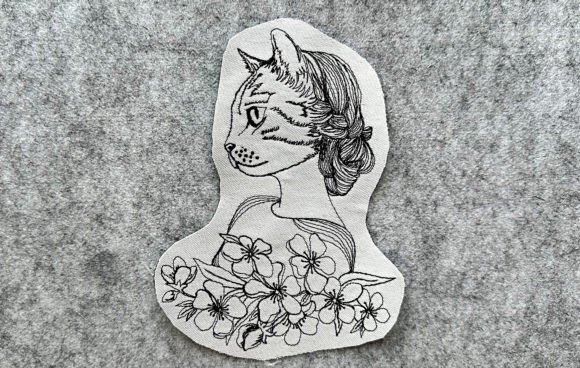
As an embroidery designer who has spent years turning digital concepts into tactile brand assets, I look at every new file with a mix of artistic appreciation and commercial skepticism. When Lady Cat One Line Machine Embroidery landed on my desk for review, I wasn’t just looking at a cute cat face; I was evaluating its potential as a scalable asset for small business merchandising. The description promises a stylish, unique line art design available for instant download, which immediately signals efficiency—a key factor for Etsy sellers and rapid-turnaround apparel decorators.
This review focuses on the practical application of this embroidered patch and logo concept for brands ranging from boutique bakeries to creative studios. We will dissect how this machine embroidery design holds up under the pressure of real-world production, where consistency, durability, and brand identity are paramount.
First Impressions: Modern Minimalism Meets Handmade Charm
The moment you open the digital embroidery file, the aesthetic is clear: it is sleek, modern, and undeniably elegant. The "one-line" technique implies a continuous stroke, which gives the design a sophisticated, hand-drawn feel that resonates strongly with current trends in handmade products. For a small business owner, this visual personality is valuable because it bridges the gap between corporate polish and artisanal warmth.
In terms of brand identity, this design feels friendly yet professional. It avoids the cluttered complexity of traditional pictorial designs, opting instead for a bold simplicity that reads well even from a distance. This makes it an excellent candidate for brand identity reinforcement. Whether used on a customer’s tote bag or a staff member’s apron, the clean lines suggest a brand that values clarity and quality. It does not scream for attention but rather invites a closer look, fostering a sense of trust and recognition among buyers.
Real-World Business Applications
The true test of any embroidery file is its versatility across different merchandise types. Based on the structure of Lady Cat One Line Machine Embroidery, here is how it performs in common small business scenarios:
- Embroidered Patches: The compact nature of the one-line art makes it ideal for chest logos or sleeve accents. When digitized correctly, it creates a refined embroidered patch that adds premium value to denim jackets or canvas totes without overwhelming the garment.
- Staff Uniforms and Aprons: For cafes, bakeries, or florists, this design offers a subtle branding opportunity. Unlike large, heavy logos, this apron embroidery sits lightly on the fabric, maintaining comfort while providing constant visual exposure to customers.
- Cap Embroidery: The curved front panels of baseball caps require designs that can withstand tension. The flowing lines of the cat face adapt well to curvature, making it a strong choice for cap embroidery on promotional hats given away at craft fairs or local events.
- Tote Bag Design: Canvas bags are a staple for handmade brands. This tote bag design works beautifully as a central focal point or a repeated pattern element. Its minimalist style ensures it remains fashionable beyond seasonal trends, increasing the perceived longevity of the product.
- Custom Apparel Accents: Beyond standard garments, this custom apparel design can be used on the cuffs of shirts or the hem of skirts, adding a personalized touch that encourages social media sharing by end-users.
Strategic Considerations and Limitations
While the aesthetic appeal is high, an experienced designer must consider where this design should be used carefully. Not every surface or scale is suitable for fine line work.
Small Patch Sizes and Scale: If you plan to use this as a tiny accent, you must ensure the line weight is sufficient. Extremely small reproductions can cause the continuous line to merge, losing the definition of the cat’s features. Always test the design at its intended final size before committing to bulk production.
Curved Surfaces and Hoop Tension: When applying this to cap embroidery or rounded hat fronts, the stabilizer choice becomes critical. The one-line style relies on smooth, uninterrupted stitches. If the fabric pucks due to poor hoop tension or inadequate backing, the elegance of the design is lost. Use a cut-away stabilizer for stretchy fabrics to maintain stability during the stitching process.
Fabric Texture and Color Contrast: This design shines on light, smooth fabrics like cotton twill or canvas. On dark uniforms, you will need a dense underlay and potentially a topstitch outline to prevent the thread from sinking into the fabric texture. Be cautious with highly textured materials like bouclé wool, as the intricate details may get lost in the weave.
High Stitch Density Areas: While the design appears sparse, certain areas (like the eyes or whiskers) might require denser stitching to maintain shape. Check the stitch density in your software to ensure it is not too heavy for lightweight apparel, which could lead to stiffness or distortion.
Impact on Brand Identity and Customer Trust
In the world of small business merch, every touchpoint matters. Using a cohesive, high-quality design asset like Lady Cat One Line Machine Embroidery elevates the entire product line. Customers associate neat, precise embroidery with care and attention to detail. When a buyer receives a tote bag with a flawlessly executed one-line cat, they perceive the brand as professional and reliable.
This level of quality directly influences customer trust and engagement. A well-executed finished product is more likely to be featured in user-generated content, providing free marketing for your brand. Furthermore, consistent use of this design across various items—caps, aprons, tags—creates a unified visual language that strengthens brand recall.
Practical Designer Notes for Production
Before integrating this machine embroidery design into your commercial workflow, follow these essential steps to ensure success:
- Test in Black and White: Convert the design to monochrome first. This helps you evaluate the balance and spacing of the lines without the distraction of color. It reveals if the design holds its shape when simplified.
- Check Thread Color Contrast: Select thread colors that pop against your target fabric. Metallic or pastel threads can add a luxurious feel, but ensure they have enough contrast to define the one-line structure.
- Inspect Spacing and Hoop Size: Verify that the design fits comfortably within your standard hoop sizes. Avoid placing elements too close to the edge of the hoop to prevent shifting.
- Stabilizer Selection: Match your stabilizer to the fabric. Lightweight tear-away for stable wovens, and sturdy cut-away for knits or stretchy materials used in custom apparel.
- Create a Printable Mockup: Before sewing, generate a printable mockup to show clients or stakeholders. This allows for approval on placement and scale, reducing waste from incorrect productions.
- Confirm Commercial Licensing: Crucially, verify the licensing terms of the digital embroidery file. Ensure you have the right to sell physical goods made with this design. Many platforms offer files for personal use only; commercial rights are often a separate purchase.
In conclusion, Lady Cat One Line Machine Embroidery is a versatile, stylish addition to any designer’s library. Its modern aesthetic and scalability make it a powerful tool for enhancing brand identity through tangible, high-quality merchandise. By paying attention to technical details like stabilizer use and stitch density, small business owners can leverage this design to create memorable, professional-grade products that resonate with their audience.