Harry Name Embroidery Design Review
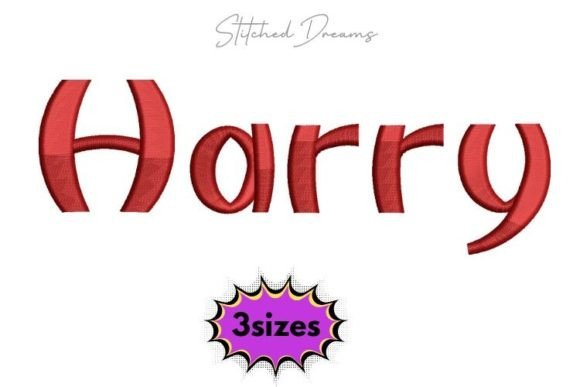
In the world of small business branding, every detail matters. As an experienced embroidery designer who has reviewed thousands of digital assets for commercial use, I look beyond just aesthetics. I evaluate stitch quality, scalability, brand alignment, and production viability. Today, I am reviewing the Harry Name Embroidery Design, a digital asset marketed as a perfect way to add a personalized touch to your projects. This review focuses on how this design performs in real-world commercial applications, from branded patches to high-volume merch.
First Impressions: Visual Personality and Professionalism
When you first load the Harry Name Embroidery Design into your digitizing software, the immediate takeaway is its clean, stylish font. In the context of personalization, "clean" is a powerful word. It suggests modernity, clarity, and approachability. The design does not rely on excessive ornamentation or overly complex decorative elements that might clutter smaller surfaces. Instead, it leans into a classic yet contemporary aesthetic that feels both premium and friendly.
For a small business owner—whether you run a boutique bakery, a handmade craft shop, or a creative studio—this visual personality is versatile. It avoids being too childish, which makes it suitable for broader age groups despite the "Boys" category label often associated with the name Harry. However, its primary strength lies in its ability to convey professionalism without feeling stiff. The lettering style suggests a brand that values craftsmanship and attention to detail. When placed on merchandise, it immediately signals that the product is custom-made and thoughtfully designed, rather than mass-produced generic inventory.
Real-World Business Applications
The true test of any machine embroidery design is how well it translates from screen to fabric. Here is how the Harry Name Embroidery Design performs across various common small business merchandise categories.
Branded Patches and Uniforms
One of the most lucrative applications for this design is the creation of embroidered patches. Small businesses often use patches to create a sense of team unity among staff or to offer unique collectible items to customers. Because the Harry Name Embroidery Design features a straightforward typographic layout, it digitizes cleanly. This means fewer thread breaks and a smoother running time for your machines. When applied to work shirts or apron embroidery, the name stands out clearly against solid-colored fabrics. It serves as an excellent accent for chest logos, allowing the main brand logo to remain prominent while adding a layer of personalization that enhances employee engagement.
Caps and Headwear
Cap embroidery is a staple for promotional products. The curved surface of a cap requires designs that are legible from a distance and do not distort when stitched onto the curve. The clean lines of this design make it ideal for front-panel placement. Whether used for event merch, corporate gifts, or seasonal promotions, the design maintains its shape and readability. It pairs well with structured caps like dad hats or fitted baseball caps, offering a sleek, modern look that appeals to younger demographics and trend-conscious consumers.
Tote Bags and Apparel Accents
For Etsy sellers and handmade brands, tote bags are a low-cost, high-margin item. A simple, elegant name design like Harry Name Embroidery Design adds significant perceived value to a plain canvas tote. It transforms a basic accessory into a personalized gift. Similarly, when used as a sleeve detail on custom apparel or a back-yoke accent on jackets, the design provides a subtle touch of luxury. It allows the brand to offer customization options without overwhelming the garment’s original silhouette.
Strategic Considerations and Limitations
No design is perfect for every application. As a professional reviewer, I must highlight where caution is needed. The effectiveness of the embroidered patch or logo depends heavily on size and fabric choice.
- Small Patch Sizes: If you plan to produce very small patches (under 2 inches), ensure the font weight is sufficient. Thin lines may fill in or become illegible during the stitching process. Always test at actual size before bulk production.
- Curved Surfaces: While good for caps, the design may stretch or distort on highly curved items like beanies or tight-fitting arm sleeves. Adjust the hooping strategy to minimize distortion.
- High Stitch Density: Check the stitch density of the file. If the design uses too much fill stitch for the background, it can make the fabric stiff and difficult to handle, especially on lightweight materials like sheer fabrics or thin t-shirts. For dark uniforms, lighter thread colors may require underlay stitches that add thickness; consider this when selecting base garments.
- Fabric Texture: On highly textured fabrics like heavy denim or bouclé, fine details may get lost. The design works best on smooth cottons, polyesters, and blends where the needle can penetrate consistently.
Impact on Brand Identity and Customer Trust
Investing in high-quality design assets directly impacts your bottom line by enhancing brand identity. When customers receive a product with a crisp, professionally executed name design, it reinforces the perception of quality. It tells them that you care about the finishing touches. This attention to detail builds customer trust and encourages repeat purchases. Furthermore, using a consistent, stylish font across all your small business merch creates visual consistency, making your brand instantly recognizable in a crowded marketplace. Whether it’s a customer gift or a piece of event merch, the Harry Name Embroidery Design elevates the unboxing experience, turning a simple transaction into a memorable interaction.
Practical Designer Notes for Production
Before integrating the Harry Name Embroidery Design into your production workflow, follow these essential steps to ensure success:
- Test in Black and White: Convert the design to monochrome in your software to check contrast and spacing. This helps identify any potential merging of letters or weak areas.
- Check Hoop Size and File Format: Confirm that the digital embroidery file fits within your standard hoop sizes. Verify the format compatibility with your specific embroidery machine to avoid transfer errors.
- Thread Color Contrast: Select thread colors that provide strong contrast against your target fabric. Dark threads on light fabrics and vice versa usually yield the best results. Avoid similar-tone combinations unless you are aiming for a tonal, subtle effect.
- Stabilizer Selection: Use the appropriate stabilizer for your fabric type. Cut-away stabilizers are generally recommended for woven garments and durable items like bags, while tear-away may suffice for temporary projects on stable knits.
- Create a Printable Mockup: Before committing to full production, generate a printable mockup to show clients or stakeholders. This allows for approval on placement and sizing without wasting materials.
- Commercial Licensing: Crucially, verify the commercial licensing terms. Ensure you have the right to sell finished goods made with this design. Many digital files are intended for personal use only, so confirming commercial embroidery rights is non-negotiable for business owners.
In conclusion, the Harry Name Embroidery Design is a strong candidate for small businesses looking to expand their product lines with personalized, high-quality merchandise. Its clean aesthetic and versatility make it suitable for a wide range of applications, from staff uniforms to boutique gifts. By following proper testing protocols and understanding its limitations, you can leverage this design to enhance your brand’s professional image and drive sales.