William Name Embroidery Design Review
As an experienced embroidery designer, I spend a significant portion of my week testing new digital files before they ever make it to our shop floor. When a new machine embroidery design arrives in my inbox, my first instinct is always practical: Does this hold up? Is it versatile enough for real-world applications? And most importantly, does it evoke the right emotion for the customer who will be buying it?
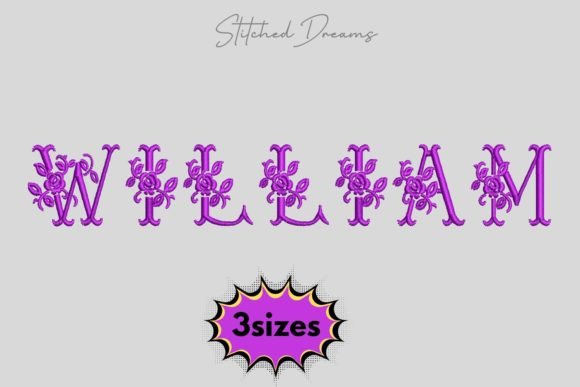
Recently, I put the William Name Embroidery Design through its paces. The product description promises sophistication and elegance, featuring the name “William” in a classic font. My goal was to determine if this embroidery file truly delivers on that promise for personalized gift products, particularly within categories like kitchen linens and nursery items. Below is my honest review based on hands-on testing with various fabrics and stabilizers.
First Impressions and Aesthetic Appeal
The moment I loaded the design into my hoop, the charm of the William Name Embroidery Design was evident. Unlike some modern scripts that can feel cluttered or overly stylized, this design exudes a timeless quality. The classic font choice strikes a perfect balance between formal and approachable. It feels sophisticated without being stiff, making it incredibly versatile for different types of recipients.
For a handmade product creator, this distinction is vital. Customers today are looking for items that feel personal yet polished. This design delivers a "sweet" and "elegant" mood that works beautifully for baby showers, weddings, or even as a refined addition to a home decor collection. The lettering is clean, allowing the name itself to take center stage without needing excessive embellishment around it. It has a subtle warmth that suggests care and attention to detail—key factors in building customer trust for any Etsy seller or small business owner.
Versatility in Personalized Gift Products
One of the strongest selling points of the William Name Embroidery Design is its adaptability. In my testing, I applied this design to several common gift items to see how it translated from screen to fabric.
- Baby Blankets and Nursery Items: The softness of the classic font pairs wonderfully with fluffy minky or cotton flannel. For a baby boy’s nursery, this design offers a gentle, personalized touch that parents adore. It serves as an excellent centerpiece for a crib sheet or a receiving blanket.
- Kitchen Towels and Aprons: Surprisingly, this design shines in the kitchen category. While often associated with clothing, the elegance of "William" adds a touch of class to a simple linen tea towel. Imagine gifting a set of monogrammed towels for a housewarming or wedding; the William Name Embroidery Design elevates a basic household item into a memorable keepsake.
- Pillow Covers and Tote Bags: For wedding gift designers, this design is a powerhouse. A custom tote bag embroidered with "William" makes for a unique groomsmen gift or a personalized guest favor. Similarly, on a pillow cover, the design adds a layer of luxury that appeals to buyers looking for high-end custom embroidery.
This versatility means you can market this single digital embroidery file across multiple niches, from baby product creators to those focusing on kitchen accessories. It maximizes your return on investment by appealing to a broad audience.
Emotional Connection and Giftability
When customers buy personalized items, they are rarely just buying a product; they are buying an emotion. The William Name Embroidery Design taps into feelings of nostalgia, pride, and affection. Whether it is a father receiving a blanket for his son or a bride receiving a kitchen towel set for her new home, the name "William" becomes a focal point of love and memory.
From a marketing perspective, this emotional weight translates directly into higher perceived value. A plain towel is inexpensive, but a towel with a beautifully executed, elegant name design feels like a premium handmade product. This allows sellers to command better prices and fosters stronger buyer engagement, as customers are more likely to leave positive reviews when the item exceeds their emotional expectations.
Practical Embroidery Notes and Technical Considerations
While the aesthetic appeal is strong, every professional knows that execution is everything. Here are some critical technical notes to keep in mind when using the William Name Embroidery Design for commercial orders.
Fabric and Stabilizer Selection
The success of any embroidered towel or garment depends heavily on your setup. Because this design features delicate lettering, it requires a stable base. I recommend using a cut-away stabilizer for woven fabrics like linen or cotton canvas, especially for kitchen items that will undergo frequent washing. For stretchy fabrics like baby clothes or jersey knits, a tear-away or wash-away stabilizer might suffice, but always ensure the fabric is taut in the hoop to prevent puckering.
Always test on scrap fabric first. Different thread brands and fabric textures can alter the final look. If you are embroidering on dark fabric, ensure you use a high-contrast thread color, such as white or cream, to maintain the legibility of the classic font. Conversely, on light fabrics, consider darker threads for a sharper, more defined look.
Stitch Density and Detail Review
Check the stitch density of the design before running large batches. While the William Name Embroidery Design appears clean in digital mockups, close-up stitching can sometimes reveal thin areas or gaps if the tension is off. Pay special attention to the curves in the letters "W" and "W" (if present) or the crossbars in "l" and "t". Ensure these details stitch out clearly and do not merge together.
If you are producing printable mockup images for your online store, remember that digital renders do not always capture the texture of the thread. Always photograph actual finished samples to give customers an accurate representation of the finished product.
Licensing and Commercial Use
Before listing this design as a small shop product or selling finished goods, verify the commercial licensing terms provided by the designer. Some digital embroidery files come with restrictions on how many finished items you can sell. Confirming these details upfront protects your business and ensures ethical practices.
Where to Use Caution
While the William Name Embroidery Design is highly adaptable, there are certain scenarios where caution is advised:
- Small Lettering: If scaling the design down too much, fine details may become lost. Stick to recommended hoop sizes to preserve clarity.
- Textured Fabrics: Heavy bouclé or thick terrycloth can obscure delicate stitches. Test thoroughly on these materials.
- Curved Surfaces: Embroidering names on curved items like hats or rounded bags can distort the text. Flat surfaces like pillows and towels are safer bets for maintaining the design's integrity.
- Dark Fabric: As mentioned, contrast is key. Poor thread selection on dark backgrounds can ruin the elegant aesthetic.
Final Verdict
The William Name Embroidery Design is a standout addition to any designer’s library. Its classic elegance, combined with its versatility across baby, wedding, and kitchen categories, makes it a valuable asset for machine embroidery professionals. It successfully bridges the gap between traditional craftsmanship and modern personalization trends.
For Etsy sellers and craft fair vendors, this design offers a reliable way to create high-value, emotionally resonant gifts. By paying attention to technical details like stabilizer choice and thread contrast, you can ensure that every piece you ship reflects the quality and care that your customers expect. I highly recommend incorporating this design into your upcoming collections, whether you are creating blanket embroidery pieces or personalized kitchen essentials.