Jaguar Wild Animal Embroidery Design Review
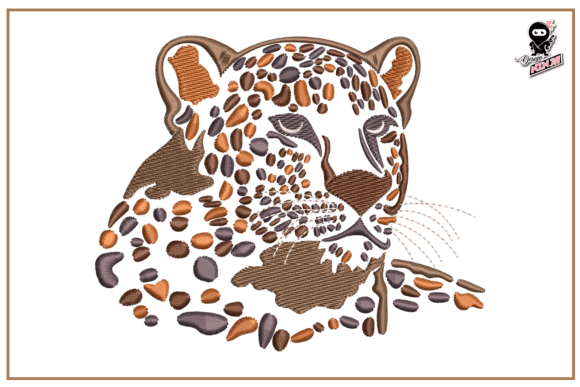
In the competitive world of small business merchandise, every stitch counts. As an embroidery designer who has spent years turning digital files into tangible brand assets, I know that choosing the right design is not just about aesthetics; it is about production viability and brand impact. Today, I am reviewing the Jaguar Wild Animal Embroidery design to determine its suitability for professional applications such as branded patches, staff uniforms, boutique apparel, and custom accessories.
This review focuses on how this machine embroidery design performs when scaled for real-world business use, rather than just decorative home projects. We will explore its visual personality, practical application in commercial settings, and critical technical considerations for embroiderers and product designers.
First Impressions: Visual Personality and Brand Fit
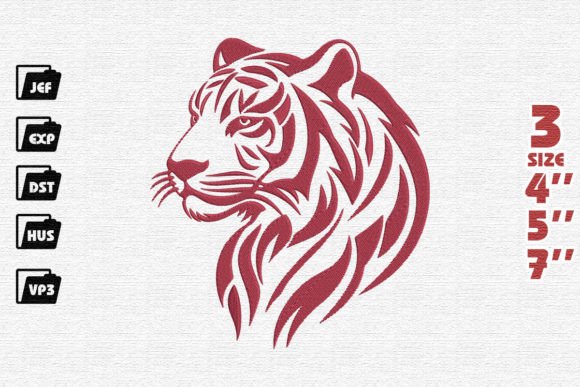
The title Jaguar Wild Animal Embroidery immediately suggests a design that is bold, powerful, and untamed. For a small business owner—whether running a craft studio, a pet brand, or an outdoor apparel shop—this aesthetic offers a distinct departure from the typical floral or minimalist motifs often found in handmade products. The jaguar represents strength, agility, and elegance, making it an excellent choice for brands that want to convey confidence and quality.
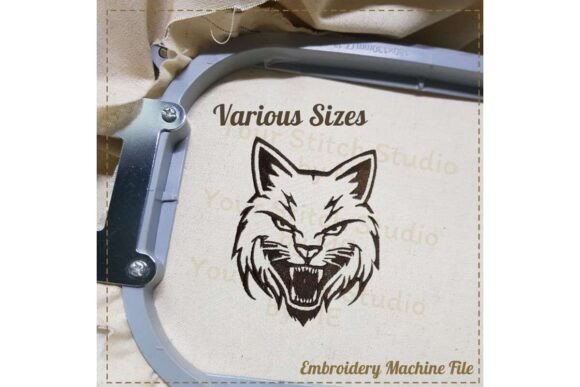
From a design perspective, wild animal themes require careful execution to avoid looking cartoonish or overly busy. A successful embroidered patch must balance detail with clarity. If the Jaguar Wild Animal Embroidery file maintains clean lines and sufficient negative space, it will translate well into high-quality finished products. However, if the design is too intricate, it may lose definition when stitched at smaller sizes, which is common for cap logos or chest accents.
The visual weight of this design makes it suitable for brands aiming for a rugged, premium, or adventurous identity. It works particularly well for:
- Outdoor and Adventure Brands: Tote bags, backpacks, and hats for hiking or camping businesses.
- Pet Industry: Apparel for dog owners or accessories for pet boutiques.
- Custom Apparel Shops: Streetwear or casual wear targeting a younger, edgier demographic.
- Craft Businesses: Unique selling points for Etsy sellers looking to stand out with distinctive design assets.
Real-World Business Applications
When evaluating a digital embroidery file for commercial use, we must look beyond the screen. How does this design function as an embroidered patch? Patches are a staple of small business merch because they can be easily applied to various items using iron-on backing or sewing. The jaguar motif is versatile enough to serve as a standalone logo or as an accent on larger garments.
Apparel and Uniforms
For staff uniforms, apron embroidery featuring this design could add a touch of personality to café or bakery workers. However, caution is advised regarding placement. A large, detailed jaguar might overwhelm a standard chest logo area. Instead, consider using it as a sleeve detail or on the back of a work shirt. Similarly, cap embroidery requires a simplified version of the design to ensure readability on curved surfaces.
Accessories and Home Decor
The product description mentions tote bags and home decor. This is where the design shines. A tote bag design allows for larger stitching areas, giving the jaguar’s details room to breathe. This increases the perceived value of the item, making it an attractive customer gift or event merch item. For home decor, such as throw pillows or wall hangings, the design adds a rustic yet modern flair that appeals to handmade product enthusiasts.
Etsy and Digital Sales
If you are selling digital embroidery files, providing a printable mockup of the jaguar on various products is essential. Customers need to visualize how the thread colors interact with different fabric textures. Showcasing the design on dark denim, light cotton, and textured canvas helps buyers understand its versatility.
Technical Considerations and Potential Pitfalls
Not all designs are created equal, and some are better suited for specific production methods. Here are critical factors to evaluate before committing to mass production with the Jaguar Wild Animal Embroidery file.
Stitch Density and Detail
Wild animal designs often rely on shading and texture to create depth. High stitch density can make a patch stiff and uncomfortable, especially if it is sewn onto delicate fabrics. Conversely, low density may result in visible backing material. You must inspect the spacing between stitches to ensure there are no gaps that could expose the stabilizer underneath. If the design includes tiny lettering or fine outlines, test it at your smallest intended size. Often, what looks good on screen becomes illegible when embroidered at 2 inches wide.
Fabric and Stabilizer Compatibility
The success of any embroidery project depends heavily on the materials used. Always test the design on the actual fabric type you plan to sell. Fabric texture plays a significant role; for example, loose-weave canvas may distort the jaguar’s outline, requiring a stronger cut-away stabilizer. For stretchy materials like jersey knits, a tear-away or water-soluble stabilizer might be necessary to prevent puckering. Never skip the hoop size check; ensure the design fits within your machine’s capabilities without requiring awkward re-hooping.
Thread Color Contrast
Visual contrast is key for recognition. If you are embroidering on dark uniforms, ensure the thread colors chosen for the jaguar provide enough brightness to stand out. Muted tones might get lost against black or navy fabric. Test your color combinations by creating a printable mockup or stitching a sample swatch. This step saves time and reduces waste during bulk production.
Impact on Brand Identity and Customer Trust
A well-executed embroidered patch does more than decorate a product; it reinforces brand identity. Consistency in design quality signals professionalism and attention to detail to your customers. When a buyer sees a crisp, durable jaguar logo on a tote bag or apron, it enhances their perception of your brand’s reliability.
Furthermore, unique design assets like the Jaguar Wild Animal Embroidery can differentiate your offerings in a saturated market. While generic templates are easy to find, a distinctive animal motif creates a memorable visual association. This uniqueness fosters customer trust and encourages repeat purchases, as buyers associate your brand with quality craftsmanship.
Practical Designer Notes for Production
Before integrating this design into your product line, follow these essential steps to ensure a smooth workflow:
- Test in Black and White: Convert the design to monochrome to check its silhouette and balance without the distraction of color.
- Verify Commercial Licensing: Confirm that you have the right to use the digital embroidery file for commercial purposes. Many online marketplaces restrict resale rights unless explicitly granted.
- Create a Client Mockup: Use software to overlay the design on product images. This helps in securing client approval and marketing the final product effectively.
- Inspect Stitch Direction: Look at the fill patterns. Properly aligned stitches reduce shine and improve durability.
- Check File Format: Ensure the file is compatible with your embroidery machines (e.g., PES, DST, EXP). If the format is unclear, contact the designer for support.
Final Verdict
The Jaguar Wild Animal Embroidery design holds significant potential for small business owners looking to expand their merchandise offerings. Its bold aesthetic makes it ideal for brands seeking to project strength and individuality. However, success depends on proper technical execution. By carefully considering stitch density, fabric compatibility, and licensing terms, you can transform this digital asset into a profitable, high-quality physical product.
Whether you are creating custom apparel, branded patches, or unique home decor items, this design offers a compelling option for elevating your brand’s visual presence. Remember, the difference between a good product and a great one often lies in the details—so take the time to test, refine, and perfect your embroidery process before launch.