Tiger Machine Embroidery Design Review
As an embroidery designer who spends most of my days tweaking stitch angles and testing density on everything from denim to delicate jersey, I approach every new download with a mix of curiosity and caution. When I came across the Tiger Machine Embroidery Design on Creative Fabrica, I was immediately drawn in by its bold visual promise. The product description highlights a striking tiger paw motif, and for those of us who create handmade products for Etsy shops, craft fairs, or boutique clients, animal-themed designs are perennial best-sellers. But does this file hold up under the needle? Is it ready for commercial use? In this review, I break down exactly what you can expect when using this design for real-world projects.
First Impressions: Visual Mood and Detail Level
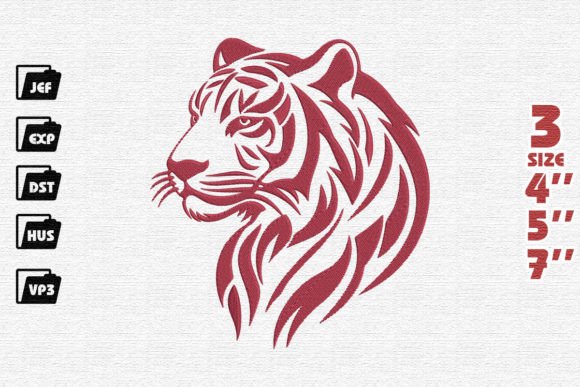
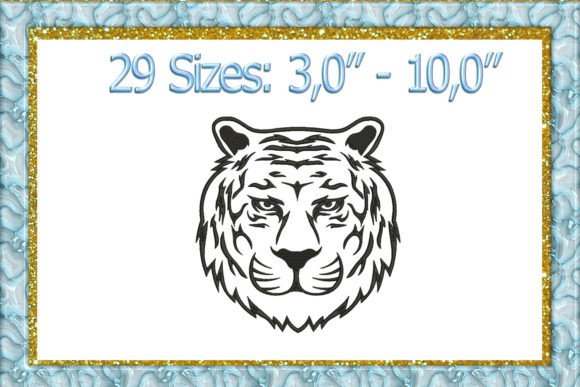
The first thing any serious embroiderer notices is the visual weight of the design. The Tiger Machine Embroidery Design features a powerful tiger paw print that feels both rugged and refined. It captures the essence of wild animals without being overly complex or cluttered. From a design perspective, the contrast between the solid fills and the negative space is well-balanced, which is crucial for maintaining clarity during stitching.
For designers looking to add personality to their work, this design offers a strong decorative appeal. It doesn’t just sit flat; it has a sense of texture and depth that translates well into thread. Whether you are planning a subtle accent on a tote bag or a centerpiece on a sweatshirt, the paw print commands attention. The "wild" aesthetic makes it particularly appealing for seasonal collections, outdoor-themed gifts, or merchandise targeting nature lovers. It’s the kind of embroidery file that looks expensive and high-quality right out of the hoop, provided you execute the stitching correctly.
Real-World Application: Where This Design Shines
I tested the concept of this design across several common handmade product categories to see where it fits best. Here is how the Tiger Machine Embroidery Design performs in practical scenarios:
- Custom Apparel and Sweatshirts: A large tiger paw on the chest or back of a heavyweight cotton sweatshirt creates an instant statement piece. The bold lines of the paw print stand up well against the textured fabric of fleece or French terry. It works especially well for unisex clothing or gender-neutral nursery items.
- Tote Bags and Market Bags: Canvas totes are a staple for crafters. Placing the paw print centrally or slightly off-center adds a touch of whimsy to everyday carry items. Because the design is relatively compact compared to full-body animal portraits, it fits perfectly within standard hoop sizes without feeling cramped.
- Baby Items and Nursery Decor: While tigers are wild predators, the stylized paw print softens the image, making it suitable for baby blankets, burp cloths, and nursery wall hangings. Parents often look for unique, non-cliché animal themes, and this design offers a modern alternative to traditional bears or bunnies.
- Embroidered Patches and Caps: The clean edges of the paw print make it an excellent candidate for applique techniques or dense satin stitches if used as a patch. On curved cap surfaces, the rounded shape of the paw adapts naturally to the front panel, offering a professional finish that looks great in product photography.
- Kitchen Towels and Aprons: For the home decor market, this design adds a rustic charm. It pairs beautifully with linen aprons or checkered kitchen towels, bridging the gap between functional household items and artistic handmade goods.
Technical Considerations and Stitch Performance
No matter how beautiful a digital design looks on screen, its true value is determined by how it stitches. When reviewing the Tiger Machine Embroidery Design, there are several technical factors to keep in mind to ensure your finished product meets customer expectations.
Stitch Density and Texture: Animal designs often rely on fill stitches to create volume. You must inspect the stitch density carefully. If the density is too high, the fabric may pucker, especially on lightweight materials like jersey or thin cotton. Conversely, if it is too low, the stabilizer may show through. Always test on scrap fabric first to gauge the balance. For dark fabrics, consider using a lighter thread color for the main fills to enhance visibility, or opt for a tonal scheme that blends seamlessly with the garment.
Hoop Size and Placement: Before starting production, confirm the hoop size requirements listed in the file details. This ensures you aren't trying to squeeze a large design into a small hoop, which can lead to distortion. If you are working on a tote bag design or a wide sweatshirt, verify that the design fits comfortably within your machine's maximum hooping area while allowing enough margin for handling.
Stabilizer Selection: The choice of stabilizer is critical. For stretchy fabrics like sweatshirts or caps, a cut-away stabilizer is non-negotiable to prevent distortion over time and after washing. For woven fabrics like canvas totes or kitchen towels, a tear-away or water-soluble stabilizer might suffice, depending on the design's stability. Using the wrong stabilizer can ruin even the best machine embroidery design.
Thread Colors and Contrast
The visual impact of the Tiger Machine Embroidery Design relies heavily on thread selection. Since the design features a paw print, earth tones like rust, brown, tan, and black can mimic natural fur patterns effectively. However, don't be afraid to experiment with bright colors for a more playful, kid-friendly look. Ensure you have good contrast between the thread and the base fabric. Dark threads on dark fabric will disappear, while light threads on light fabric may lack definition. Create mockups comparing light and dark fabric options before committing to bulk production.
Affecting Product Value and Brand Trust
In the world of handmade commerce, quality speaks louder than marketing copy. A well-executed Tiger Machine Embroidery Design elevates the perceived value of your product. Customers can tell the difference between a rushed job and one that shows care and precision. Clean stitching, proper tension, and secure finishing contribute to buyer trust and positive reviews.
Furthermore, this design enhances giftability. A personalized gift featuring a unique tiger paw—perhaps embroidered with a child’s initials nearby—feels thoughtful and special. It stands out in a crowded marketplace of generic prints. For Etsy sellers and digital product creators, having a versatile design like this allows you to diversify your inventory. You can offer the same design on different substrates (caps, towels, bags) to attract different segments of buyers.
Final Verdict and Practical Tips
The Tiger Machine Embroidery Design is a solid addition to any embroidery library, particularly for those focused on wild animal themes or bold graphic accents. Its versatility across apparel, home decor, and accessories makes it a valuable asset for creative entrepreneurs.
Before purchasing or using this file, please remember these final tips:
- Check File Formats: The product page indicates that multiple formats are included. Ensure your embroidery software supports the specific format you need.
- Review Licensing: Always read the license terms on the Creative Fabrica product page. Understand what you are allowed to do with the finished physical products, especially if you plan to sell them commercially.
- Test First: Never skip the test stitch. Use the same fabric, thread, and stabilizer you plan to use for the final product.
- Inspect Details: Zoom in on the digital preview to check for tiny lettering or intricate details that might get lost in stitching. If the design includes small text, ensure it remains legible after embroidery.
If you are looking for a design that combines visual punch with practical usability, this tiger paw design delivers. It respects the craft of embroidery while offering a modern aesthetic that resonates with today’s handmade market. Just remember: the best embroidery comes from preparation. Take your time, choose your materials wisely, and let the design shine.